
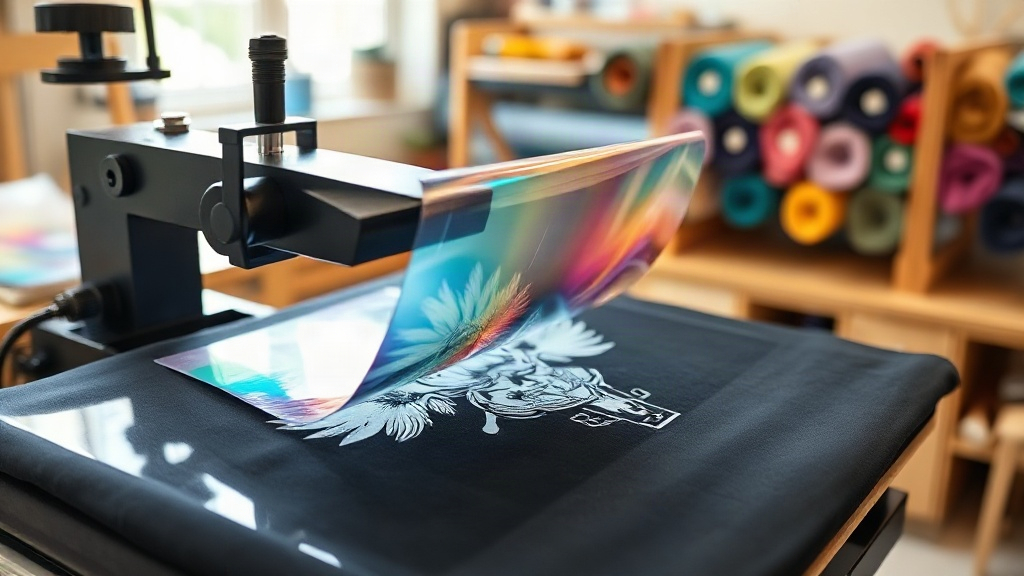
When you're creating custom apparel, the printing method you choose can make or break the final product. Enter DTF transfers (Direct to Film), a technology that's quickly become a favorite among crafters and professionals alike. Unlike traditional methods that limit you to certain fabrics or colors, DTF transfers open up a world of possibilities, letting you print detailed, full-color designs on everything from cotton t-shirts to polyester blends and even nylon. If you've ever felt restricted by vinyl or screen printing, DTF might be the game-changer you've been looking for.
What Are DTF Transfers?
DTF transfers are a type of heat transfer that involves printing a design onto a special film, coating it with adhesive powder, and then using a heat press to bond it to fabric. The process starts with a digital printer that lays down CMYK inks plus white ink onto a PET film. This white ink layer is crucial because it allows the design to show up vividly on both light and dark garments without needing a separate underbase. Once printed, the film is dusted with a thermoplastic polyurethane (TPU) powder, which acts as the glue when heated. After curing, the transfer is ready to be applied with a heat press.
What sets DTF apart is its versatility. Because the design sits on top of the fabric rather than being dyed into it, you can achieve incredible detail and gradients that would be impossible with vinyl. Plus, the TPU powder creates a strong bond that holds up wash after wash.
Why Choose DTF Transfers Over Other Methods?
If you're wondering whether DTF is right for your projects, consider these advantages:
- No color limitations: Print any color, including gradients and photographs, without worrying about color matching or layering.
- Works on almost any fabric: Cotton, polyester, blends, nylon, canvas, and even leather can be decorated with DTF transfers.
- No weeding required: Unlike vinyl, there's no tedious cutting and weeding. You simply print, powder, cure, and press.
- Durable and stretchable: The TPU adhesive stretches with the fabric, reducing cracking and peeling.
- Cost-effective for short runs: No screens or setup fees, making it ideal for small batches and one-offs.
These benefits make DTF transfers a top choice for small business owners, hobbyists, and anyone who wants professional-looking results without a steep learning curve.
How to Apply DTF Transfers: Step-by-Step
Applying a DTF transfer is straightforward, but attention to detail ensures a long-lasting result. Here's a reliable process:
- Preheat your heat press: Set the temperature to 300-325°F (150-160°C). Preheat the garment for a few seconds to remove moisture.
- Position the transfer: Place the DTF transfer on the garment with the printed side up. The film should be on top.
- Press: Apply medium to firm pressure for 10-15 seconds. If your press has a gauge, aim for 40-60 PSI.
- Peel: Wait a few seconds for the transfer to cool slightly, then peel the film off in a smooth, even motion. It should come off easily, leaving the design behind.
- Post-press (optional): For extra durability, cover the design with a Teflon sheet or parchment paper and press again for 5-10 seconds.
Remember, every heat press is different, so test with a scrap fabric first to dial in your settings.
Common Challenges and How to Avoid Them
Even with a simple process, issues can arise. Here are some common problems and their solutions:
Transfer Not Sticking
If the design peels off after pressing, it's usually due to insufficient pressure, temperature, or time. Increase one variable at a time and test again. Also, ensure the garment is free of fabric softener or moisture.
Cracking or Fading
Over time, DTF transfers can crack if stretched excessively or washed in hot water. To prevent this, turn the garment inside out before washing and avoid high heat in the dryer. Using a post-press also helps.
Film Sticking to the Design
If the film is hard to peel, it might be because the transfer was pressed too long or at too high a temperature. Try reducing the time or temperature slightly. Also, make sure you're peeling while the transfer is still warm, not completely cool.
DTF vs. DTG and Screen Printing
How does DTF stack up against other popular methods? Direct-to-garment (DTG) printing is great for cotton but struggles on polyester and dark colors. Screen printing is cost-effective for large orders but requires setup and is limited in color complexity. DTF transfers offer a middle ground: no minimums, vibrant colors on any fabric, and a durable finish. For small businesses or personalized gifts, DTF often wins on flexibility and ease.
Expert Tips for Flawless DTF Transfers
After countless projects, I've picked up a few tricks that make a big difference:
- Store transfers properly: Keep unused DTF transfers in a cool, dry place away from direct sunlight. They can last for months if stored correctly.
- Use a quality heat press: A reliable press with consistent pressure and temperature is worth the investment.
- Test your settings: Always do a test press on a similar fabric before tackling a big order.
- Consider the fabric: For stretchy fabrics, use a lower temperature and slightly longer press to allow the adhesive to bond without over-curing.
- Layer with care: If you're combining DTF with other decorations, apply DTF last to avoid damaging the transfer.
Frequently Asked Questions
How long do DTF transfers last?
With proper application and care, DTF transfers can last as long as the garment itself, often 50+ washes. Following washing instructions like inside-out and cold water will maximize longevity.
Can I use DTF transfers on 100% polyester?
Yes, DTF transfers work excellently on polyester, including performance fabrics. The low application temperature prevents the polyester from scorching or melting.
Do I need a special printer for DTF?
You need a DTF printer that uses DTF inks and can print white ink. Many converted Epson printers are popular for this purpose. Alternatively, you can buy pre-printed transfers from suppliers.
What's the difference between DTF and sublimation?
Sublimation requires polyester or specially coated fabrics and results in a design that becomes part of the fabric. DTF works on any fabric and sits on top, offering more opacity and vibrancy on dark colors.
Can I stretch DTF transfers?
Yes, DTF transfers have some stretch due to the TPU adhesive. However, excessive stretching can cause cracking. For highly stretchy fabrics, consider using a stretch additive or lower temperature application.
DTF transfers have truly democratized custom apparel printing. Whether you're running a small business or just making gifts for friends, this technology gives you the freedom to create without limits. Give it a try, and you might never go back to your old methods.