
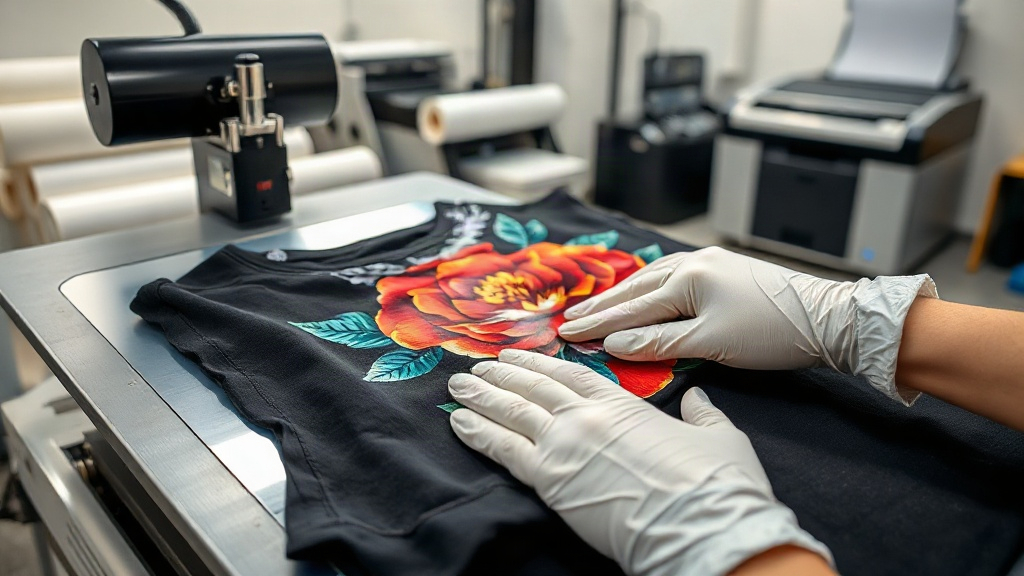
Imagine pressing a single transfer onto a cotton t-shirt and watching it transform into a vibrant, full-color design that survives dozens of washes. That's the promise of DTF transfers, a technology that has taken the custom apparel world by storm. Unlike traditional methods that struggle with intricate details or light-colored garments, DTF (Direct to Film) transfers deliver photorealistic prints on virtually any fabric. Whether you're a small business owner, a hobbyist, or a professional decorator, understanding DTF transfers can open up a world of creative possibilities. In this guide, we'll walk you through everything you need to know, from the science behind the process to practical tips that ensure flawless results every time.
What Are DTF Transfers?
DTF transfers are a type of heat-applied decoration where a design is printed onto a special film, coated with a thermoplastic powder, and then heat-pressed onto a garment. The process begins with a digital printer that deposits CMYK and white inks onto a PET film. While the ink is still wet, a fine adhesive powder is sprinkled over it, which sticks to the ink. After shaking off the excess, the film is cured in an oven or with a heat press. The result is a flexible, stretchable transfer that can be stored and applied later. When you're ready, you simply place the transfer on your garment and press it with a heat press. The adhesive melts, bonding the design to the fabric. Once cool, you peel away the film, leaving a soft, durable print. What sets DTF apart is that it doesn't require pre-treatment or special fabrics; it works on cotton, polyester, blends, and even leather. That versatility makes DTF transfers a favorite for custom t-shirts, hoodies, tote bags, and more.
How DTF Transfers Compare to Other Methods
To appreciate DTF, it helps to see how it stacks up against other popular decoration techniques. Each method has its strengths, but DTF often comes out on top for its balance of quality, cost, and ease of use.
DTF vs. Screen Printing
Screen printing is the go-to for large orders of simple designs. It's cost-effective at high volumes but requires separate screens for each color, making complex or multi-color designs expensive. DTF, on the other hand, handles full-color graphics in a single pass, with no setup fees. For small batches or detailed artwork, DTF is far more economical. However, screen printing can produce a slightly thinner ink layer, which some prefer for a softer feel. Yet modern DTF transfers are incredibly thin and soft, closing that gap.
DTF vs. DTG
Direct-to-garment (DTG) printing is another digital method that prints directly onto the fabric. DTG excels on 100% cotton but struggles with polyester and dark colors, often requiring pre-treatment. DTF, by contrast, adheres well to polyester and doesn't need pre-treatment. DTG prints can also fade faster on synthetic fabrics, while DTF transfers maintain their vibrancy. For decorators who work with a variety of materials, DTF offers greater flexibility.
DTF vs. Vinyl
Heat transfer vinyl (HTV) is great for simple text and single-color logos. It's easy to use but limited in complexity; multi-color designs require layering, which can be time-consuming and bulky. DTF transfers can reproduce gradients, photographs, and fine details without layering. The result is a smoother, more professional look. Plus, DTF eliminates weeding, the tedious process of removing excess vinyl from a design.
The Benefits of DTF Transfers
Why are DTF transfers gaining so much traction? Here are the key advantages that make them a game-changer.
- Vibrant, full-color prints: DTF printers use CMYK plus white ink to produce rich, opaque colors on both light and dark garments. The white underbase ensures that colors pop, even on black fabric.
- No pre-treatment required: Unlike DTG, DTF doesn't need any chemical pre-treatment, saving time and money.
- Works on almost any fabric: From 100% cotton to polyester, blends, and even leather, DTF adheres reliably.
- Durable and stretchable: The transfers withstand repeated washing and stretching without cracking or fading. They're ideal for activewear.
- Cost-effective for short runs: With no minimum order and no setup fees, DTF is perfect for one-off projects or small businesses.
- Easy to store and ship: Once printed and powdered, DTF transfers can be stored for months and shipped flat, making them convenient for on-demand production.
How to Apply DTF Transfers: A Step-by-Step Guide
Applying DTF transfers is straightforward, but following the right steps ensures a professional, long-lasting result. Here's what you need to do.
Step 1: Prepare Your Workspace
Set up your heat press on a stable surface. Ensure it's clean and free of lint or debris. Preheat the press to the recommended temperature, typically around 300°F to 325°F (150°C to 160°C). The exact settings depend on your transfer and fabric, so always check the instructions from your supplier.
Step 2: Position the Transfer
Place your garment on the lower platen of the heat press. Smooth out any wrinkles. Position the DTF transfer with the printed side facing up (the film side should be against the fabric). If you're unsure, the adhesive powder side is the one that goes down onto the garment. Use heat-resistant tape if needed to keep it in place.
Step 3: Press
Close the press and apply medium to firm pressure for 10 to 15 seconds. The exact time can vary, so test with a scrap piece first. For best results, use a press that provides even pressure across the entire platen.
Step 4: Peel
After pressing, remove the garment from the press and let it cool for a few seconds. Then, peel away the film in a smooth, steady motion. If the design lifts with the film, it means the transfer wasn't pressed long enough or the pressure was too low. In that case, re-press for a few more seconds. For a matte finish, you can peel while hot, but cold peel is generally recommended for DTF.
Step 5: Post-Press (Optional)
For extra durability, especially on stretchy fabrics, you can cover the design with a Teflon sheet or parchment paper and press again for 5 to 10 seconds. This helps the adhesive fully bond and smooths out any texture.
Common Mistakes to Avoid with DTF Transfers
Even though DTF is forgiving, a few missteps can ruin your results. Watch out for these common pitfalls.
- Insufficient pressure: If the press doesn't apply enough pressure, the adhesive won't fully penetrate the fabric, leading to premature peeling. Make sure your press is calibrated.
- Wrong temperature: Too hot and the film may melt or the ink may discolor; too cold and the adhesive won't activate. Always follow the supplier's recommendations.
- Peeling too soon or too late: Peeling while the transfer is still hot can cause the design to stretch or distort. Waiting too long can make the film difficult to remove. Aim for a cold peel after 10-15 seconds.
- Not pre-pressing the garment: Pre-pressing removes moisture and wrinkles, ensuring a smooth surface for the transfer. Don't skip this step.
- Using the wrong film: DTF transfers are specifically designed for DTF application. Don't confuse them with other transfer types.
DTF Transfers for Your Business or Hobby
If you're running a custom apparel business, DTF transfers can streamline your production. You can print transfers in bulk, store them, and apply them as orders come in. This on-demand model reduces waste and inventory costs. For hobbyists, DTF opens up creative freedom: you can print intricate designs at home without investing in screen printing equipment. Many online services offer DTF printing, so you can order transfers and apply them yourself. Whether you're making team jerseys, personalized gifts, or a fashion line, DTF provides a professional finish that impresses customers.
Frequently Asked Questions About DTF Transfers
How long do DTF transfers last on a shirt?
With proper application and care, DTF transfers can last as long as the garment itself. They withstand 50+ washes without significant fading or cracking. To maximize longevity, wash the garment inside out in cold water and avoid harsh detergents or bleach. Tumble dry on low or hang dry.
Can I use DTF transfers on polyester?
Yes, DTF transfers adhere excellently to polyester. In fact, they often perform better on polyester than DTG prints, which may require pre-treatment. The key is to use a lower temperature (around 300°F) to prevent the polyester from scorching or the transfer from over-melting.
Do I need a special printer for DTF transfers?
You can buy a dedicated DTF printer, which uses DTF inks and a powder shaker. However, if you're not ready to invest, many companies offer DTF printing services. You simply send them your design, and they ship you the ready-to-press transfers. This is a cost-effective way to get started.
What fabrics are not suitable for DTF transfers?
DTF works on most fabrics, but it may not adhere well to highly textured or coated fabrics, such as nylon or waterproof materials. Also, fabrics with a heavy silicone coating can prevent proper bonding. Always test on a small area first.
Can I stretch DTF transfers?
Yes, DTF transfers are stretchable and flexible, making them ideal for activewear and performance fabrics. However, excessive stretching beyond the fabric's limits can cause the print to crack. Choose a transfer size that fits within the garment's stretch capacity.
DTF transfers have truly democratized custom apparel decoration. With their vibrant colors, durability, and ease of use, they empower anyone to create professional-grade products. Whether you're a seasoned decorator or just starting out, incorporating DTF transfers into your workflow can elevate your offerings and delight your customers. So why not give them a try? Your next custom creation might just be your best one yet.