
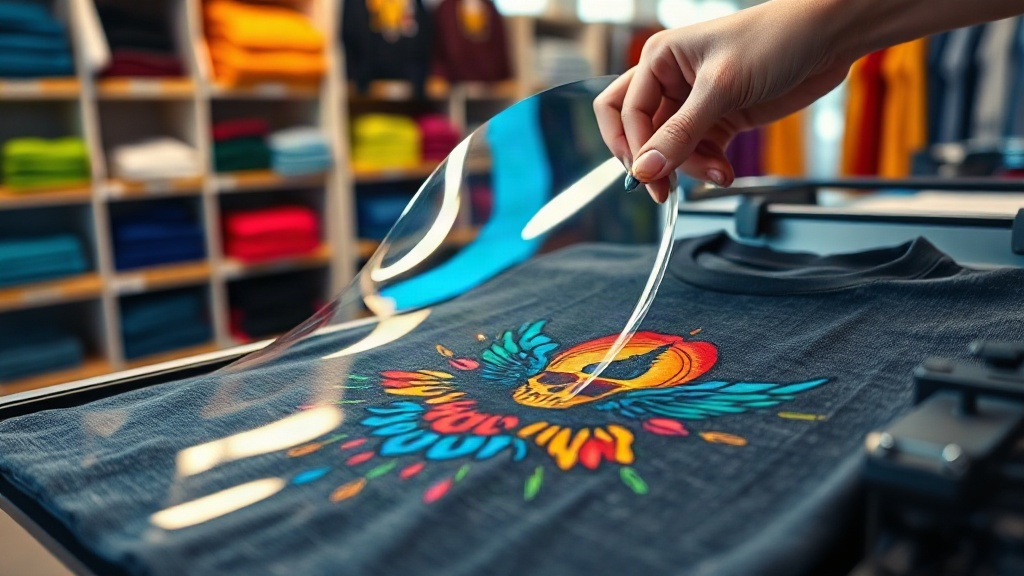
If you've been in the custom apparel game for any length of time, you've likely heard the buzz around DTF transfers. This technology has quickly become a go-to method for creating vibrant, long-lasting designs on everything from t-shirts to tote bags. But what exactly are DTF transfers, and why are they causing such a stir? In this guide, we'll dive deep into the world of DTF printing, covering everything from the step-by-step process to the fabrics it works best on, and even some pro tips to help you get started.
What Are DTF Transfers?
DTF stands for Direct-to-Film. Unlike traditional screen printing or direct-to-garment (DTG) printing, DTF transfers involve printing your design onto a special film, coating it with a powder adhesive, and then using a heat press to transfer it onto your fabric. The result is a soft, stretchable print that adheres well to a wide range of materials, including cotton, polyester, and blends.
The process is relatively new but has gained massive popularity because it eliminates many of the limitations of other printing methods. For example, you don't need to pretreat the fabric (as with DTG), and you can print on dark colors without a white underbase (as with screen printing). Plus, the colors are incredibly vibrant and the detail is sharp.
How Does the DTF Transfer Process Work?
Understanding the steps can help you appreciate why DTF is so effective. Here's a breakdown of the process from start to finish:
- Design Preparation: Your artwork is prepared digitally, ensuring it's mirrored (since the film will be flipped during transfer) and sized appropriately.
- Printing: A specialized DTF printer prints the design onto a PET film using CMYK plus white ink. The white ink acts as a base, allowing the colors to pop on any fabric color.
- Powdering: While the ink is still wet, a hot-melt adhesive powder is applied evenly over the print. Excess powder is shaken off.
- Curing: The film passes through a heat source (like a conveyor oven) to melt the powder, creating a dry, tacky surface.
- Transfer: The film is placed on the fabric and pressed with a heat press at a specific temperature and pressure for a set time. After cooling, the film is peeled away, leaving the design bonded to the fabric.
Each step requires precision, but once you have the right equipment, it becomes a smooth workflow.
Why Choose DTF Transfers for Custom Apparel?
There are several compelling reasons why DTF transfers stand out:
- Versatility: Works on almost any fabric, including cotton, polyester, nylon, and even leather. No need for different techniques for different materials.
- Durability: The prints are stretchable and resistant to cracking, peeling, and fading, even after multiple washes.
- Vibrant Colors: The white ink base allows for bright, opaque colors on dark garments without the need for multiple layers.
- Cost-Effective for Small Runs: Unlike screen printing, which requires setup costs per color, DTF is economical for short runs and one-offs.
- Fine Detail: DTF can reproduce intricate designs with gradients and fine lines that other methods might struggle with.
For businesses like customrollup.com, offering DTF transfers means providing clients with high-quality, durable custom apparel that meets diverse needs.
DTF vs. Other Printing Methods
How does DTF stack up against the competition? Let's compare:
DTF vs. DTG
DTG prints directly onto the garment, but it requires pretreatment and works best on 100% cotton. DTF, on the other hand, can be used on a wider range of fabrics and often produces more vibrant colors on dark shirts. DTF also tends to be more durable.
DTF vs. Screen Printing
Screen printing is great for large orders of simple designs, but it's not cost-effective for small batches or complex designs with many colors. DTF shines in these areas, offering full-color prints without per-color setup fees.
DTF vs. Vinyl
Heat transfer vinyl (HTV) is another popular method, but it's limited to single-color designs and can be time-consuming to weed. DTF allows for full-color, detailed designs with no weeding required.
Choosing the Right DTF Supplies
To get the best results, you need quality supplies:
- DTF Printer: Look for a printer designed specifically for DTF, with white ink circulation and reliable print heads.
- DTF Film: Use high-quality PET film that can withstand the heat and release the design cleanly.
- Adhesive Powder: The powder must be compatible with your ink and fabric. There are different types for different stretch requirements.
- Heat Press: A good heat press with accurate temperature and pressure control is essential for consistent transfers.
Investing in reliable equipment will save you time and frustration in the long run.
Step-by-Step Guide to Applying DTF Transfers
Applying a DTF transfer is straightforward, but following the correct steps ensures a professional finish:
- Preheat the Fabric: This removes moisture and wrinkles, ensuring proper adhesion.
- Position the Transfer: Place the film with the design facing up on the fabric.
- Press: Use a heat press at around 325°F (160°C) for 10-15 seconds with medium pressure.
- Cool and Peel: Allow the transfer to cool completely before peeling off the film. For a matte finish, you can press again for a few seconds after peeling.
Always test on a scrap piece of fabric first to dial in your settings.
Common Mistakes to Avoid with DTF Transfers
Even with a great process, mistakes can happen. Here are some pitfalls to watch out for:
- Insufficient Pressure: If the pressure is too low, the design won't adhere properly. Make sure your heat press is calibrated.
- Wrong Temperature: Too hot and the film may scorch; too cold and the adhesive won't melt. Follow the manufacturer's recommendations.
- Peeling Too Soon: Peeling while hot can stretch the design or cause it to lift. Always wait for it to cool.
- Poor Powder Application: Uneven powder can lead to weak adhesion. Ensure even coverage and shake off excess thoroughly.
Avoiding these mistakes will help you achieve consistent, high-quality results.
DTF Transfers for Business: Is It Worth It?
If you run a custom apparel business, adding DTF to your services can be a game-changer. It allows you to offer more options to your customers, from one-off custom pieces to small batches, without the overhead of screen printing setups. The durability and vibrancy of DTF prints also mean happier customers and fewer returns.
At customrollup.com, we've seen firsthand how DTF transfers can elevate a product line. Whether you're printing team jerseys, promotional items, or fashion apparel, DTF delivers.
Frequently Asked Questions About DTF Transfers
How long do DTF transfers last?
With proper application and care, DTF transfers can last as long as the garment itself. They are resistant to cracking, peeling, and fading, even after 50+ washes. To maximize longevity, wash inside out in cold water and avoid ironing directly on the print.
Can I use DTF transfers on any fabric?
Yes, DTF transfers work on a wide range of fabrics, including cotton, polyester, blends, nylon, and leather. However, for best results, avoid fabrics with heavy coatings or waterproof finishes, as the adhesive may not bond properly.
Do I need a special printer for DTF?
Yes, you need a DTF printer that uses DTF inks and has a white ink channel. Converting a regular printer is not recommended. Dedicated DTF printers are available from various brands and come in different sizes.
What is the difference between DTF and DTG?
DTF (Direct-to-Film) involves printing on a film and transferring to fabric, while DTG (Direct-to-Garment) prints directly onto the garment. DTF works on more fabric types and often produces more vibrant colors on dark shirts, while DTG is typically limited to cotton and requires pretreatment.
How do I store DTF transfers?
Store unused DTF transfers in a cool, dry place, away from direct sunlight. Keep them flat or rolled to prevent creasing. Properly stored, they can last for several months.
DTF transfers are more than just a trend; they're a versatile and reliable tool for anyone in the custom apparel industry. With the right knowledge and equipment, you can unlock a world of possibilities for your designs. So why not give it a try? Your customers will thank you.