
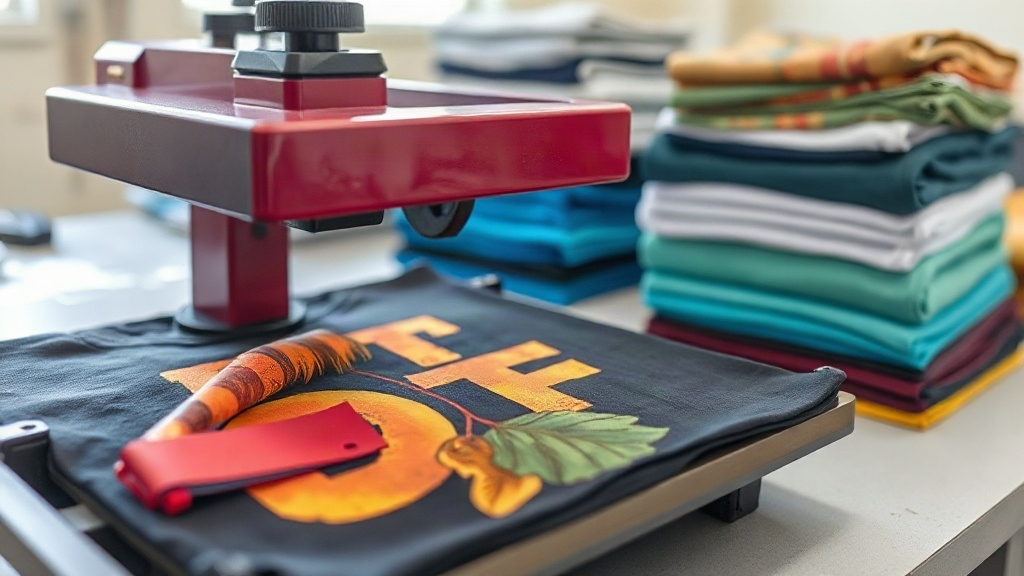
When it comes to creating custom apparel that stands out, DTF transfers have become a game-changer for businesses and hobbyists alike. Unlike traditional methods that limit your fabric choices or require minimum orders, DTF transfers offer unparalleled flexibility and vibrant results. Whether you're a small shop owner looking to expand your product line or a DIY enthusiast wanting to personalize gifts, understanding DTF transfers can open up a world of creative possibilities.
What Are DTF Transfers?
DTF stands for Direct to Film. It's a printing technology where your design is printed onto a special film, coated with a heat-activated adhesive powder, and then transferred onto fabric using a heat press. The result is a durable, stretchable, and incredibly detailed print that adheres to a wide range of materials, including cotton, polyester, blends, and even leather. Unlike DTG (Direct to Garment) printing, which requires pre-treatment and works best on 100% cotton, DTF transfers are versatile and often more cost-effective for small batches.
Why Choose DTF Transfers for Your Custom Apparel?
There are several compelling reasons why DTF transfers have gained popularity in the custom apparel industry. Let's explore the key benefits.
1. Unmatched Versatility
One of the biggest advantages of DTF transfers is that they work on almost any fabric. Whether you're working with cotton, polyester, nylon, or even leather, DTF transfers adhere beautifully. This means you can offer a wider range of products to your customers without worrying about fabric compatibility. Plus, DTF transfers can be applied to dark and light garments with equal vibrancy, eliminating the need for separate printing processes.
2. Vibrant and Durable Prints
DTF transfers produce high-resolution, full-color designs with incredible detail. The prints are also highly durable, resisting cracking, peeling, and fading even after multiple washes. This longevity makes DTF transfers ideal for items that will see frequent use, such as sports jerseys, work uniforms, and promotional apparel.
3. Cost-Effective for Small Businesses
Traditional screen printing requires separate screens for each color, which can be expensive for small orders. DTF transfers, on the other hand, have no minimum order requirements and no setup fees. You can print one-off designs or small batches without breaking the bank. This makes DTF transfers an excellent choice for startups, Etsy sellers, and anyone testing new designs.
4. Easy Application Process
Applying DTF transfers is straightforward and requires minimal equipment: a heat press and a few supplies. The process is quick, typically taking less than a minute per item once you get the hang of it. This ease of use allows you to fulfill orders faster and take on more projects.
How to Apply DTF Transfers: Step-by-Step
Applying DTF transfers correctly ensures a professional finish that lasts. Follow these steps for best results.
Step 1: Prepare Your Workspace
Set up your heat press on a sturdy, heat-resistant surface. Ensure the area is clean and free of lint or debris that could affect the transfer. Preheat your heat press to the recommended temperature, usually between 325°F and 375°F (160°C to 190°C), depending on the film manufacturer's instructions.
Step 2: Position the Transfer
Place your garment on the heat press platen, smoothing out any wrinkles. Position the DTF transfer film on the garment with the printed side facing up. If you're centering a design, use a ruler or measuring tape to ensure proper alignment.
Step 3: Apply Heat and Pressure
Cover the transfer with a heat-resistant sheet or parchment paper to protect it. Apply medium to high pressure for 10-15 seconds. The exact time and pressure can vary based on the film and fabric, so always check the manufacturer's recommendations.
Step 4: Peel the Film
After pressing, allow the transfer to cool completely before peeling off the film. This is known as a cold peel. Some films require a hot peel, so again, refer to the instructions. Peel slowly and evenly to avoid lifting the design.
Step 5: Post-Press for Durability
For added durability, especially on stretchy fabrics, you can do a second press for 5-10 seconds using a Teflon sheet or parchment paper. This helps the adhesive fully bond with the fabric.
Common Mistakes to Avoid with DTF Transfers
Even though DTF transfers are user-friendly, a few common pitfalls can ruin your results. Here's what to watch out for.
- Incorrect temperature: Too hot and the film may melt or the design may scorch; too cold and the adhesive won't activate properly.
- Insufficient pressure: Without enough pressure, the transfer won't adhere evenly, leading to premature peeling.
- Peeling too soon: Peeling while the transfer is still hot can stretch or distort the design. Always wait for it to cool.
- Using the wrong film: Not all DTF films are created equal. Choose a reputable brand that matches your fabric type.
DTF Transfers vs. Other Printing Methods
How do DTF transfers stack up against other popular printing techniques? Let's compare.
DTF vs. Screen Printing
Screen printing is cost-effective for large orders but requires setup and is limited to one color per screen. DTF transfers are better for small batches, full-color designs, and intricate details. They also work on more fabric types.
DTF vs. DTG
DTG printing is excellent for 100% cotton and offers a soft feel, but it requires pre-treatment and can be less durable on synthetic fabrics. DTF transfers are more versatile and often more durable, though they may have a slightly thicker feel.
DTF vs. Vinyl
Heat transfer vinyl (HTV) is great for simple, single-color designs but can't handle complex gradients or photographs. DTF transfers excel at detailed, multi-color images and are faster to apply for intricate designs.
Tips for Getting the Best Results with DTF Transfers
To ensure your DTF transfers look professional and last, keep these tips in mind.
- Store transfers properly: Keep unused DTF transfers in a cool, dry place away from direct sunlight to prevent the adhesive from drying out.
- Test on scrap fabric: Before pressing onto a final garment, do a test press on a similar fabric to dial in your settings.
- Use a quality heat press: A reliable heat press with even pressure and accurate temperature control is crucial for consistent results.
- Wash garments inside out: To prolong the life of the print, advise customers to wash inside out in cold water and avoid bleach.
Frequently Asked Questions About DTF Transfers
How long do DTF transfers last?
With proper application and care, DTF transfers can last as long as the garment itself. They resist fading, cracking, and peeling through dozens of washes.
Can I use DTF transfers on 100% polyester?
Yes, DTF transfers work exceptionally well on polyester and polyester blends. In fact, they often adhere better to synthetic fabrics than DTG printing.
Do I need a special printer for DTF transfers?
You can either purchase a dedicated DTF printer or outsource your printing to a service. For beginners, outsourcing is a cost-effective way to start without a large investment.
What is the difference between hot peel and cold peel DTF transfers?
Hot peel films are removed immediately after pressing while still hot, while cold peel films must cool completely before peeling. The type you use depends on the film manufacturer's instructions.
Can I layer DTF transfers?
Yes, you can layer DTF transfers to create multi-dimensional designs. Just press each layer separately, following the recommended settings for each.
DTF transfers have revolutionized custom apparel by offering versatility, durability, and cost-effectiveness. Whether you're a business owner or a creative individual, incorporating DTF transfers into your workflow can help you deliver high-quality, personalized products that customers love. With the right techniques and a bit of practice, you'll be creating stunning designs in no time.