
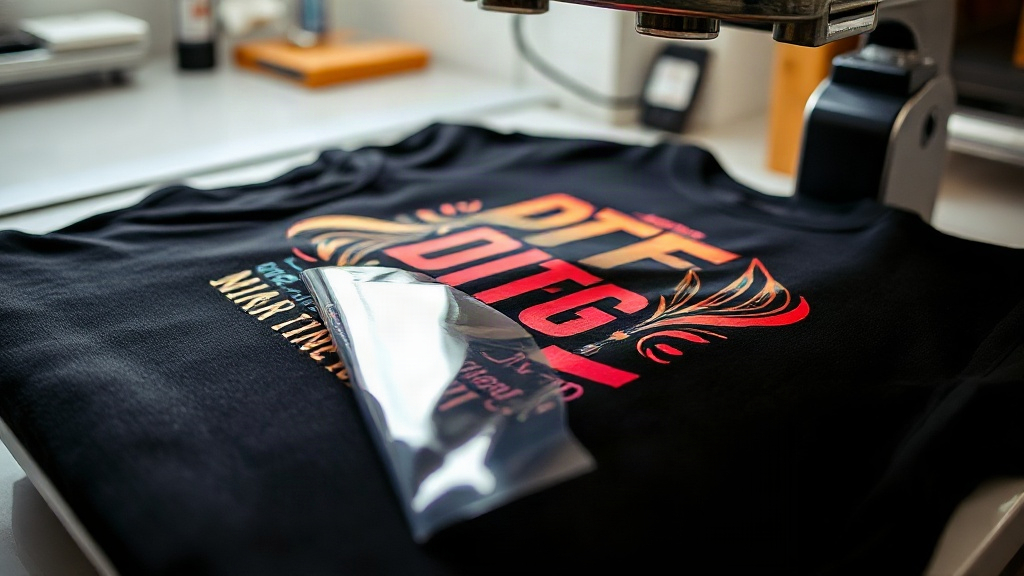
When it comes to custom apparel, the printing method you choose can make or break your designs. Among the many options, DTF transfers have quickly become a favorite for their versatility, vibrant colors, and ability to handle intricate details. Whether you're a small business owner, a DIY enthusiast, or a professional printer, understanding DTF transfers can open up a world of possibilities for your custom projects.
In this guide, we'll dive deep into what DTF transfers are, how they work, and why they might be the perfect solution for your next order. We'll also compare them to other popular methods, share practical tips for application, and answer common questions. By the end, you'll have a clear picture of whether DTF is right for you.
What Are DTF Transfers?
DTF stands for Direct to Film. It's a printing technology where your design is printed onto a special film using water-based inks, then coated with a adhesive powder and cured. The result is a transfer that can be heat-pressed onto various fabrics. Unlike DTG (Direct to Garment) printing, which prints directly onto the fabric, DTF transfers are printed onto a film first, allowing for more flexibility in the types of fabrics they can be applied to.
The process involves several steps: designing your artwork, printing it onto the film, applying the powder, curing it, and finally pressing it onto your garment. Each step requires attention to detail to ensure a high-quality, durable result.
How DTF Transfers Work: Step by Step
Understanding the DTF process can help you appreciate the technology and troubleshoot issues. Here's a breakdown of the key steps:
- Design Preparation: Your artwork is prepared in a RIP (Raster Image Processor) software, which mirrors the image and separates colors if needed. It's crucial to have a high-resolution file for the best results.
- Printing: The design is printed onto a PET film using a DTF printer equipped with CMYK and white inks. The white ink acts as a base, allowing the colors to pop on both light and dark fabrics.
- Powder Application: While the ink is still wet, a thermoplastic polyurethane (TPU) powder is sprinkled over the print. The powder sticks to the wet ink and is then shaken off to remove excess.
- Curing: The film with the powder is heated to melt the powder, creating a flexible, adhesive layer that will bond with the fabric.
- Heat Pressing: The transfer is placed onto the garment and pressed with a heat press at a specific temperature and time. Once cooled, the film is peeled away, leaving the design bonded to the fabric.
Each step is critical, and skipping or rushing can lead to poor adhesion, cracking, or dull colors.
Why Choose DTF Transfers?
DTF transfers offer several advantages that make them stand out:
- Versatility: They can be applied to a wide range of fabrics, including cotton, polyester, blends, and even some synthetic materials. This is a huge advantage over DTG, which works best on 100% cotton.
- Vibrant Colors: DTF prints produce bright, high-opacity colors, even on dark garments, thanks to the white ink base.
- Fine Details: The technology allows for intricate designs with fine lines and small text, which can be challenging with other methods like screen printing.
- Durability: When applied correctly, DTF transfers are highly durable, resisting cracking, peeling, and fading after multiple washes.
- Cost-Effective for Small Runs: Unlike screen printing, which requires setup costs per color, DTF is economical for short runs and one-off designs.
These benefits make DTF a go-to choice for custom t-shirts, hoodies, tote bags, and more.
DTF vs. Other Printing Methods
To help you decide, let's compare DTF with some common alternatives:
DTF vs. DTG
DTG prints directly onto the fabric, which limits it mostly to cotton. DTF can be used on a wider variety of fabrics and often produces more vibrant colors on dark shirts. However, DTG can feel softer to the touch and is more environmentally friendly since it doesn't require plastic film. DTF transfers have a slight texture but are still comfortable.
DTF vs. Screen Printing
Screen printing is cost-effective for large orders but requires separate screens for each color, making it expensive for complex designs or small batches. DTF excels in small runs and detailed artwork without setup fees. However, screen printing can offer a softer feel and is extremely durable for high-volume orders.
DTF vs. Vinyl
Heat transfer vinyl (HTV) is great for simple designs and single-color text. It's easy for beginners but limited in complexity. DTF allows for full-color, photographic-quality prints that HTV cannot achieve. Vinyl can also feel heavier on the garment.
Each method has its place, but DTF is a strong contender for its balance of quality, versatility, and cost.
Applications of DTF Transfers
DTF transfers are used across various industries and personal projects:
- Custom Apparel: T-shirts, hoodies, jackets, and sportswear with detailed logos or artwork.
- Accessories: Tote bags, hats, and backpacks.
- Promotional Items: Corporate giveaways, event merchandise, and team uniforms.
- Home Decor: Personalized pillows, blankets, and wall hangings.
The possibilities are nearly endless, limited only by your imagination.
Tips for Successful DTF Transfer Application
To get the best results, follow these practical tips:
- Choose the Right Fabric: While DTF works on many fabrics, some may require different pressing parameters. Always test on a scrap piece first.
- Pre-Press the Garment: This removes moisture and wrinkles, ensuring a smooth surface for the transfer.
- Use Consistent Pressure: A heat press with even pressure is key. Too little pressure and the design won't adhere; too much can cause the ink to spread.
- Follow Temperature and Time Guidelines: Typically, 300-320°F for 10-15 seconds, but always check your transfer's specific instructions.
- Peel Carefully: Wait for the transfer to cool completely before peeling (cold peel) or peel while hot (hot peel) depending on the film type. Most DTF transfers are cold peel.
- Wash Inside Out: To extend the life of your print, wash the garment inside out in cold water and avoid harsh detergents.
These simple steps can make a big difference in the longevity and appearance of your DTF transfers.
Common Challenges and How to Overcome Them
Even with the best practices, you might run into issues. Here are some common problems and solutions:
- Peeling or Cracking: This often happens due to insufficient pressure, incorrect temperature, or not enough powder. Ensure your heat press is calibrated and follow the recommended settings.
- Dull Colors: If colors look faded, it might be due to under-curing or low-quality ink. Use high-quality supplies and cure properly.
- Adhesive Residue: Sometimes a sticky residue is left on the garment. This can be removed by pressing a Teflon sheet over the area for a few seconds.
- Film Sticking: If the film sticks to the garment after pressing, it may be because the transfer wasn't cooled long enough. Be patient and let it cool completely.
With a bit of practice, you'll be able to troubleshoot and produce flawless transfers.
Frequently Asked Questions About DTF Transfers
How durable are DTF transfers?
When applied correctly, DTF transfers are very durable and can withstand 50+ washes without significant fading or cracking. Proper washing and care will extend their life.
Can DTF transfers be applied to any fabric?
DTF transfers work well on cotton, polyester, blends, and even some synthetic fabrics like nylon. However, fabrics with a heavy texture or waterproof coating may not adhere well. Always test first.
What equipment do I need to start with DTF transfers?
You'll need a DTF printer, DTF film, TPU powder, a heat press, and a curing oven or heat gun. For beginners, you can also buy pre-made DTF transfers and just use a heat press.
How do I store DTF transfers?
Store unused DTF transfers in a cool, dry place away from direct sunlight. Keep them in a sealed bag to prevent moisture and dust from affecting the adhesive.
Are DTF transfers eco-friendly?
DTF transfers use water-based inks and TPU powder, which are generally more environmentally friendly than some other methods. However, the PET film is not biodegradable, so proper disposal is important.
With these insights, you're well-equipped to explore DTF transfers for your custom apparel needs. Whether you're printing a single shirt or starting a business, DTF offers a compelling combination of quality, versatility, and affordability.