
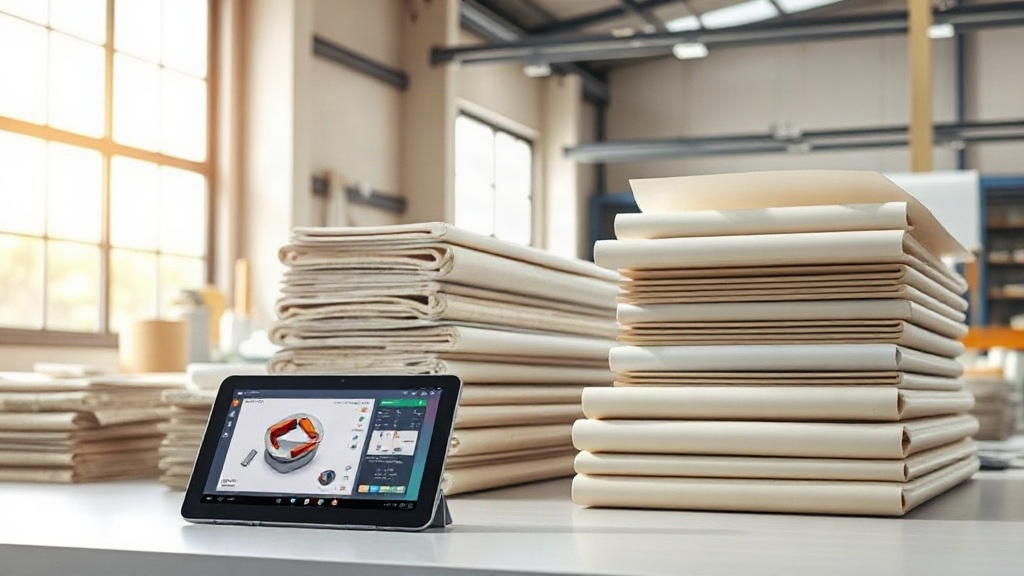
If you work with custom rollups, you know the struggle: getting the right blank size, minimizing waste, and ensuring a perfect fit every time. Smart blanks are changing that. They are pre-engineered substrates designed to adapt to your specific rollup dimensions, saving time and materials. In this guide, we will explore what smart blanks are, how they work, and why they are becoming essential in the rollup industry.
What Are Smart Blanks?
Smart blanks are not your ordinary rollup blanks. They are precision-cut cores or bases that come with intelligent features such as adjustable sizing, pre-scored lines, or embedded guides. These features allow for quick customization without the need for extensive retooling. Think of them as a blank canvas that already knows the painting you want to create.
Key Characteristics
- Adaptability: Smart blanks can be adjusted to fit various rollup widths and diameters.
- Efficiency: They reduce setup time and material waste by providing pre-configured options.
- Consistency: Each blank is manufactured to tight tolerances, ensuring uniform results.
- Integration: Many smart blanks are compatible with automated machinery, streamlining production.
Why Smart Blanks Matter for Custom Rollups
Custom rollups are used in a variety of industries, from retail displays to industrial packaging. The demand for quick turnaround and unique designs is higher than ever. Traditional blanking methods often involve manual cutting, which is time-consuming and error-prone. Smart blanks address these pain points by offering a ready-to-use solution that still allows for customization.
Reduced Waste
One of the biggest advantages of smart blanks is waste reduction. Because they are pre-sized and can be adjusted, you use only the material you need. This is not only cost-effective but also environmentally friendly. In an era where sustainability matters, smart blanks help you meet green goals without sacrificing quality.
Faster Production
Time is money. With smart blanks, you can skip the measuring and cutting steps. Simply select the appropriate blank, load it into your machine, and start production. This speed is crucial for meeting tight deadlines and responding to rush orders.
Improved Quality
Consistency is key in manufacturing. Smart blanks are produced with high precision, meaning every rollup you create will have the same dimensions and finish. This reduces the risk of defects and returns, enhancing your reputation for quality.
How to Choose the Right Smart Blanks
Not all smart blanks are created equal. Selecting the right ones for your project depends on several factors. Here are some considerations to keep in mind.
Material Compatibility
Smart blanks come in various materials, including cardboard, plastic, and composite. Choose a material that matches your rollup's intended use. For example, if your rollup will be exposed to moisture, a plastic or coated blank is better.
Size and Adjustability
Consider the range of sizes you need. Some smart blanks are adjustable within a certain range, while others are fixed. If you frequently produce different sizes, adjustable blanks offer more flexibility.
Compatibility with Equipment
Ensure that the smart blanks you choose work with your existing machinery. Check specifications such as core diameter and thickness. Many suppliers provide samples so you can test before committing.
Cost vs. Value
Smart blanks may have a higher upfront cost than traditional blanks, but the savings in labor and waste often outweigh the initial investment. Calculate the total cost of ownership to make an informed decision.
Implementing Smart Blanks in Your Workflow
Adopting smart blanks requires some adjustments to your process. Here is a step-by-step approach to integrate them smoothly.
- Assess your needs: Determine the range of rollup sizes and materials you commonly use.
- Research suppliers: Look for reputable manufacturers of smart blanks. Request samples and compare quality.
- Test in production: Run a trial batch to evaluate performance, including ease of use and final product quality.
- Train your team: Ensure operators understand how to handle and adjust smart blanks correctly.
- Monitor and optimize: Track metrics such as waste reduction and production speed. Adjust your inventory and processes as needed.
By following these steps, you can harness the full potential of smart blanks and see immediate improvements.
Common Misconceptions About Smart Blanks
There are some myths surrounding smart blanks that can prevent businesses from adopting them. Let us clear up a few.
Myth: Smart Blanks Are Only for Large Manufacturers
While large manufacturers benefit greatly, small businesses can also gain from smart blanks. Many suppliers offer low minimum order quantities, making them accessible to all.
Myth: Smart Blanks Limit Creativity
On the contrary, smart blanks provide a consistent starting point that frees you to focus on the creative aspects of your rollup design. You can still customize printing, finishing, and more.
Myth: Smart Blanks Are Too Expensive
When you factor in the reduction in waste and labor, smart blanks are often more cost-effective than traditional methods. The key is to evaluate the total cost, not just the unit price.
Frequently Asked Questions
What exactly are smart blanks and how do they differ from regular blanks?
Smart blanks are pre-engineered substrates with features like adjustable sizing or pre-scored lines, designed to simplify customization. Regular blanks are basic materials that require more manual work to adapt to specific rollup dimensions.
Can smart blanks be used with any type of rollup machinery?
Most smart blanks are designed to be compatible with standard rollup machinery, but it is important to check specifications such as core diameter and thickness. Some suppliers offer custom solutions for specialized equipment.
How do smart blanks contribute to sustainability in manufacturing?
By reducing material waste and optimizing production, smart blanks help lower the environmental footprint. They also often use recyclable materials, aligning with eco-friendly practices.
Are smart blanks suitable for small batch production?
Yes, many suppliers offer smart blanks in small quantities, making them ideal for small businesses or custom projects. The efficiency gains are beneficial regardless of batch size.
What should I consider when switching to smart blanks?
Evaluate your typical rollup sizes, material requirements, and machinery compatibility. Start with a trial run to assess performance and calculate the return on investment before making a full switch.
Smart blanks are transforming the way custom rollups are produced. By embracing this innovation, you can achieve better results with less effort. Whether you are a seasoned manufacturer or a newcomer, integrating smart blanks into your workflow is a step toward smarter production.