
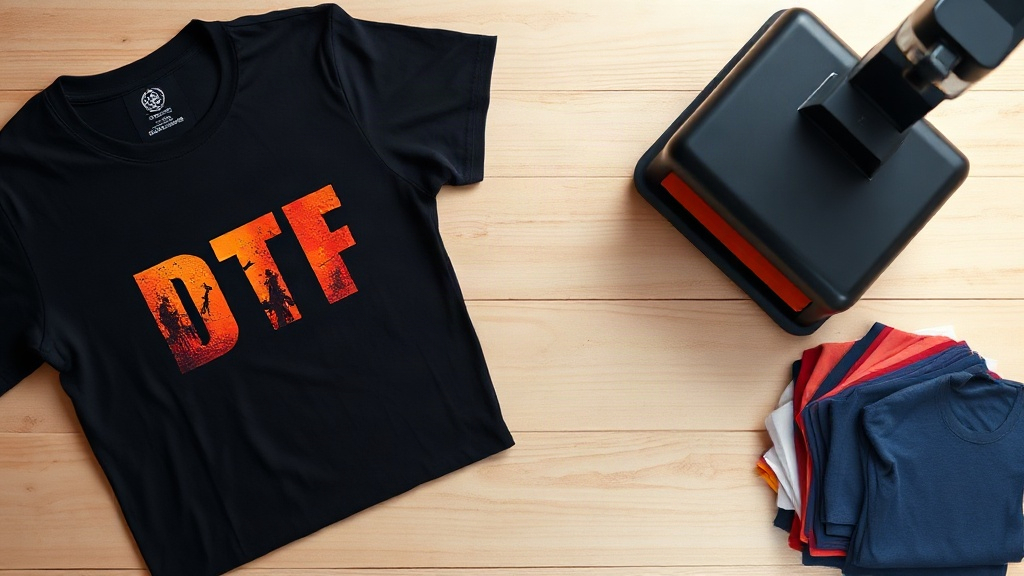
You've probably seen the excitement around DTF transfers, those vibrant, detailed prints that seem to adhere to almost any fabric. But here's the catch: even the best transfer can look mediocre on the wrong garment. That's where smart blanks come in. These aren't just any t-shirts or hoodies; they're carefully engineered pieces designed to maximize print quality, durability, and comfort. In this post, we'll explore why choosing the right blank is the unsung hero of custom apparel, with a special focus on Shaka Wear and how they pair with DTF transfers to create results that impress even the pickiest clients.
Why Smart Blanks Matter for DTF Transfers
DTF transfers have revolutionized the custom apparel industry. They allow for full-color, high-detail prints without the setup costs of screen printing. But not all blanks are created equal. A smart blank is one that has been optimized for decoration: consistent fabric weave, proper heat resistance, and a surface that bonds well with adhesives. When you use a subpar blank, you risk cracking, fading, or even the transfer peeling off after a few washes. Smart blanks eliminate those variables, giving you a reliable canvas every time.
The Science Behind the Bond
DTF transfers work by adhering a thermoplastic polyurethane (TPU) film to the fabric using heat and pressure. The fabric's fiber composition and weave affect how well the adhesive penetrates. Smart blanks often feature tightly woven cotton or cotton-poly blends that provide a smooth, even surface. This allows the adhesive to grip uniformly, preventing edge lifting. Additionally, these blanks are pre-shrunk and treated to resist pilling, so your print stays smooth and vibrant.
Key Characteristics of Smart Blanks
- Fabric consistency: No thick or thin spots that cause uneven curing.
- Heat tolerance: Withstands the 300-350°F temperatures needed for DTF without scorching.
- Moisture management: Some smart blanks wick moisture, which can interfere with adhesion, but high-quality ones are treated to balance this.
- Smooth surface: Minimal texture means the transfer sits flush, capturing fine details.
Shaka Wear: A Cut Above the Rest
When it comes to smart blanks, Shaka Wear has earned a stellar reputation among decorators. Founded in Los Angeles, Shaka Wear focuses on producing garments that combine streetwear aesthetics with superior printability. Their t-shirts, hoodies, and tank tops are staples in the custom apparel world, and for good reason.
What Makes Shaka Wear Ideal for DTF?
Shaka Wear garments are made from 100% cotton or cotton-poly blends, with a tight knit that provides an ideal surface for DTF transfers. The fabric is ring-spun, meaning it's softer and smoother than standard open-end cotton. This softness translates to a better hand feel and a more even print. Moreover, Shaka Wear blanks are known for their consistent sizing and durability, so your customers get a product that fits well and lasts.
Another advantage is Shaka Wear's attention to colorfastness. Their dyes are resistant to bleeding, which is crucial when you're applying a heat press. You don't want the shirt's color to migrate into the transfer, dulling the design. With Shaka Wear, the colors stay true, and your prints pop.
Popular Shaka Wear Styles for DTF
- SHASS24: A heavyweight cotton tee that's a favorite for its structured feel and print clarity.
- SHSS15: A soft, lightweight option perfect for retail-style merchandise.
- SHF500: A fleece hoodie that takes DTF like a champ, with no fuzziness interfering.
Maximizing DTF Results with Smart Blanks
Even with top-tier blanks, technique matters. Here are some expert tips to ensure your DTF transfers look professional and stand the test of time.
Pre-Press to Remove Moisture
Cotton and cotton-poly blends absorb moisture from the air. If you skip pre-pressing, that moisture turns to steam during the transfer, causing bubbles or poor adhesion. Always pre-press the garment for 5-10 seconds at 300°F before applying the DTF transfer. This step also relaxes the fabric fibers, creating a smoother surface.
Dial In Your Heat Press Settings
DTF transfers typically require 300-350°F for 10-15 seconds with medium to firm pressure. However, the ideal settings can vary based on the blank's thickness and fabric blend. For Shaka Wear's heavier cottons, you might need slightly higher pressure to ensure the adhesive penetrates the weave. Always test on a scrap piece first.
Use a Cover Sheet for Consistent Results
A cover sheet (like Teflon or parchment paper) distributes heat evenly and protects the transfer from direct contact with the upper platen. This prevents scorching and ensures the entire design cures uniformly. After pressing, peel the transfer while it's warm (for hot peel) or let it cool (for cold peel) according to the transfer's instructions.
Post-Press Care for Longevity
Once the transfer is applied, it's not completely indestructible. Advise your customers to wash the garment inside out in cold water and tumble dry on low. Avoid fabric softeners and bleach, which can degrade the adhesive. With proper care, a DTF transfer on a smart blank can last 50+ washes without significant fading or cracking.
Common Pitfalls and How to Avoid Them
Even seasoned decorators run into issues. Here are a few common problems and their solutions:
- Transfer peeling after wash: Usually due to insufficient pressure or time. Increase pressure and ensure the entire design is covered.
- Dull colors: Could be from overcooking the transfer. Reduce temperature or time, and always pre-press the garment.
- Cracking: Often happens when the garment stretches during pressing. Use a pressing pillow or ensure the garment is flat.
- Adhesive residue: If the transfer leaves a sticky feel, you might be pressing too long. Follow the transfer manufacturer's guidelines.
Case Study: From Frustration to Flawless
Take the example of a small print shop in Austin, Texas. They were struggling with DTF transfers on generic blanks, facing a 30% return rate due to peeling. After switching to Shaka Wear smart blanks and implementing a strict pre-press and quality control routine, their return rate dropped to under 2%. Their customers noticed the difference, and word-of-mouth brought in more business. This shows that investing in quality blanks pays off.
Frequently Asked Questions
What are smart blanks and why are they important for DTF transfers?
Smart blanks are garments specifically designed for decoration, with features like consistent fabric weave, heat resistance, and smooth surfaces. They ensure DTF transfers adhere properly, last longer, and look vibrant.
Can I use DTF transfers on any Shaka Wear product?
Yes, Shaka Wear's entire line is compatible with DTF transfers. Their cotton and cotton-poly blends provide an excellent surface for adhesion and color vibrancy. Just follow the recommended heat press settings for each fabric type.
How do I prevent DTF transfers from cracking on Shaka Wear hoodies?
To prevent cracking, pre-press the hoodie to remove moisture, use medium pressure, and ensure the transfer is fully cooled before stretching. Also, avoid overstretching the fabric when wearing or washing.
What is the best way to wash a Shaka Wear t-shirt with a DTF transfer?
Turn the shirt inside out, wash in cold water with mild detergent, and tumble dry on low. Avoid bleach and fabric softeners. Following these steps will keep the transfer looking new for many washes.
Where can I buy smart blanks like Shaka Wear for my custom apparel business?
Shaka Wear products are available through authorized distributors and wholesalers. Look for suppliers that specialize in blank apparel for decorators to ensure you get authentic, high-quality garments.
Elevate Your Custom Apparel with Smart Blanks and DTF
Pairing smart blanks with DTF transfers is a game-changer for anyone in the custom apparel industry. Whether you're a small Etsy shop or a large screen-printing operation, the right blank can mean the difference between a one-time customer and a loyal fan. Shaka Wear's reputation for quality and consistency makes them a top choice for decorators who demand the best. So next time you're planning a DTF project, remember: start with a smart blank, and the rest will follow.