
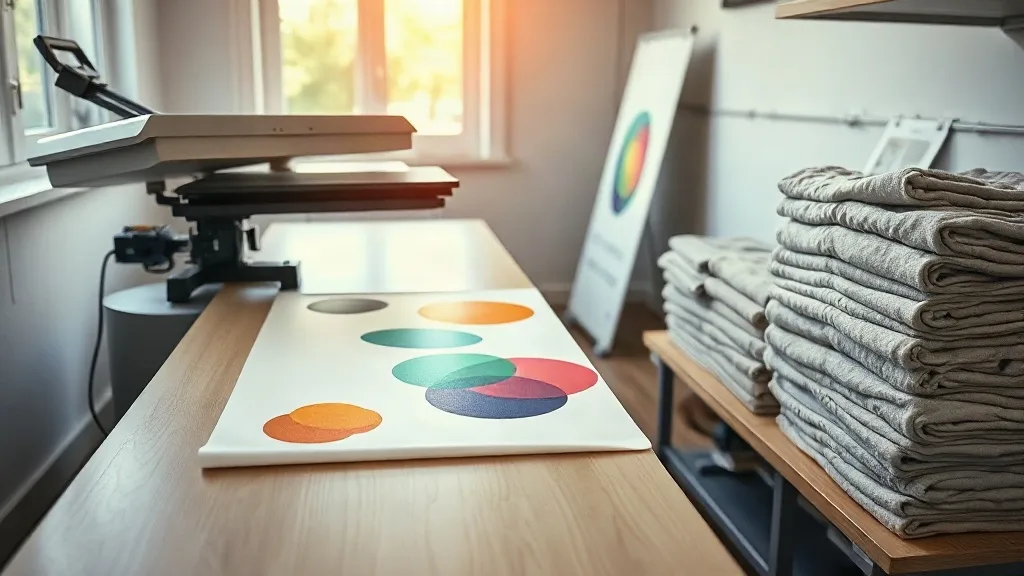
If your shop builds roll-up banners, pop-up backwalls, and trade show kits, you already know the quiet frustration of small print jobs. A customer needs ten logo patches, a few table-throw logos, and a handful of staff shirt graphics to match the booth, and suddenly your wide-format printer is running at 20 percent capacity while your labor costs climb. This is exactly where a DTF Gangsheet earns its keep. It lets you combine many small designs onto a single transfer sheet, print them together, and press them onto fabric as needed. For display shops, it turns a scattered pile of odd jobs into one predictable production run.
This guide is written for people who already understand banner hardware and print tolerances, so we will skip the basics of what a roll-up stand is. Instead, we will look at where gangsheets fit into a display business, how to prepare files that press cleanly, and the mistakes that eat margin.
What a Gangsheet Actually Is
A DTF gangsheet is a single sheet of direct-to-film transfer paper carrying multiple designs, arranged to use the space efficiently. You print the artwork in reverse onto film, apply a powder adhesive to the wet ink, cure it, and then press each design onto fabric with a heat press. The film is the carrier, not the final product, so the sheet itself never ships to the customer.
The word gang refers to ganging up jobs, a concept borrowed from offset printing. Instead of running one design at a time, you nest several across the width of the sheet. A typical sheet might run 13 inches wide and several feet long, or 22 inches wide for larger pieces, depending on the printer. Length is usually sold by the running foot, which means you control how much material you buy.
How It Differs From Vinyl and Screen Print
Heat transfer vinyl requires weeding, which is slow and error prone on fine detail. Screen printing needs a screen per color and makes short runs expensive. DTF skips both problems. It handles gradients, photographic images, and thin lines without weeding, and color count does not affect cost. For a display shop that prints a five-color logo on forty staff polos, that difference is the whole argument.
Where Gangsheets Fit in a Roll-Up Banner Business
Roll-up banners are the core product, but they rarely travel alone. A booth order usually includes matching table covers, branded tote bags, staff apparel, and sometimes fabric backdrops. Gangsheets let you serve those add-ons without buying new equipment beyond a heat press, which most shops already own or can pick up used.
- Staff apparel for trade show teams, including polos, hoodies, and caps
- Branded table throws and runner logos that match the banner artwork
- Fabric backwall accents and small signage patches
- Promotional items such as tote bags and aprons for giveaway programs
- Sample swatches so clients can feel the print before approving a full order
The practical benefit is scheduling. Banner jobs are deadline driven, and a client who needs a booth ready by Thursday will not wait two weeks for embroidered shirts. A gangsheet can be printed, cured, and pressed in a day, which keeps the whole order on one timeline.
A Realistic Workflow
Picture a typical Tuesday. A local coffee roaster orders two roll-up banners, four aprons, and six staff tees for a weekend market. You print the banners on your roll media as usual. Then you open your gangsheet file, drop in the apron and tee logos at their true print size, add a half inch of bleed, and nest them to fill a two-foot section of film. The sheet prints in minutes, cures, and sits ready for pressing while you trim the banners. By afternoon the whole order is boxed.
Without the gangsheet, that order means either outsourcing the apparel or turning it down. Turning down small apparel work is how shops lose the next banner order too.
File Setup That Presses Cleanly
Most gangsheet problems start in the art file, not the press. A few habits prevent nearly all of them.
- Build at final print size. Do not scale up a 300-pixel logo to fill a twelve-inch chest print. Vector art or 300 DPI at final size is the baseline.
- Keep spacing generous. Leave at least a quarter inch between designs so you can trim without clipping a neighbor.
- Add bleed to edge-to-edge designs. Film trimming is manual, and a little extra ink protects you from a crooked cut.
- Flatten transparency and convert fonts to outlines. Rasterized surprises are the most common cause of a reprint.
- Group by fabric. Designs going onto cotton and designs going onto polyester may need different press settings, so keep them in separate zones.
One more note on white ink. DTF prints a white underbase beneath the color, which is what makes it work on dark shirts. If a design is meant to look soft and vintage, ask for a thinner white layer. If it needs to pop on a black hoodie, keep it full. This is a conversation worth having before the file is finalized, not after.
Sizing and Cost Logic
Gangsheets are priced by length, so the goal is to fill width without wasting height. A simple rule: sort your designs from largest to smallest, place the big ones first, then fill gaps with small logos and swatches. Small test prints of your banner artwork are a smart use of leftover space, since they let a client approve color before you commit to a full banner run.
Watch the total length. It is easy to add one more logo and cross into a new price tier for very little gain. Measure twice, as the saying goes.
Durability and Client Expectations
DTF transfers on cotton and cotton blends hold up well through repeated washing when pressed correctly. On polyester, especially performance fabrics, press temperature and pressure matter more, and a lower temperature with a longer dwell usually gives better results. Set client expectations honestly: apparel printed this way is durable for normal wear, but it is not the same as a woven label or embroidery. For trade show staff shirts worn a few times a year, it is more than enough.
For banner-adjacent fabric items like table throws, check the fabric composition before promising a result. A coated or water-resistant weave may not accept the adhesive the same way a plain poly twill does. A quick test press on a scrap saves an awkward conversation.
Common Mistakes That Cost Money
The first is overcrowding the sheet. Cramming designs edge to edge feels efficient until trimming clips a letter. The second is skipping the cure step or undercuring, which shows up as cracking after the first wash and a refund request. The third is pressing on a cold platen or with uneven pressure, which produces patchy adhesion that looks fine until it does not.
Finally, do not treat the gangsheet as a set-and-forget product. Store finished sheets flat and away from humidity. Film that absorbs moisture prints and presses poorly, and a ruined sheet on a deadline day is a painful lesson.
Frequently Asked Questions
Can I mix different fabric types on one DTF gangsheet?
Yes, the sheet itself does not care what fabric the designs will land on. What changes is the pressing step. Keep cotton and polyester designs in separate zones on the sheet so your press operator can run each group at the right temperature without hunting through the film.
How small can a design be on a gangsheet?
Fine detail holds well, but very small text under about six points can fill in. If a client wants a tiny logo for a cap or a pocket print, simplify the artwork rather than shrinking a detailed version. A clean two-color mark at small size reads better than a photographic logo squeezed down.
Is a gangsheet cheaper than ordering apparel printing separately?
Usually yes, because you are buying film by length and doing the pressing in house. The savings grow with volume and with how tightly you nest the designs. For a one-off single shirt, the setup effort may not pay off, but for a booth order with several items it almost always does.
How long does a pressed DTF transfer last on a shirt?
With a proper press and correct wash care, expect the print to stay intact through many normal wash cycles. Wash inside out in cold water and avoid high dryer heat. Following those two rules does more for longevity than any other factor.
Do I need a special printer to use gangsheets?
You need a DTF printer and a powder shaker or a manual powder station, plus a heat press. Many display shops start by ordering gangsheets from a transfer supplier and pressing them in house, then invest in their own printer once volume justifies it. That staged approach keeps capital costs low while you test demand.