If you've been exploring custom apparel printing, you've likely heard about dtf transfers. This technology has rapidly gained popularity for its ability to produce vibrant, durable prints on a wide range of fabrics. Whether you're a small business owner, a hobbyist, or someone looking to create personalized gifts, understanding DTF transfers can open up new possibilities for your projects.
What Are DTF Transfers?
DTF stands for Direct-to-Film. It's a printing method where your design is printed onto a special film, then coated with a powder adhesive and cured. The resulting transfer can be applied to fabrics using a heat press. Unlike DTG (Direct-to-Garment) printing, which requires specialized equipment and works best on cotton, DTF transfers are versatile and can be used on cotton, polyester, blends, and even some non-fabric materials.
The DTF Printing Process
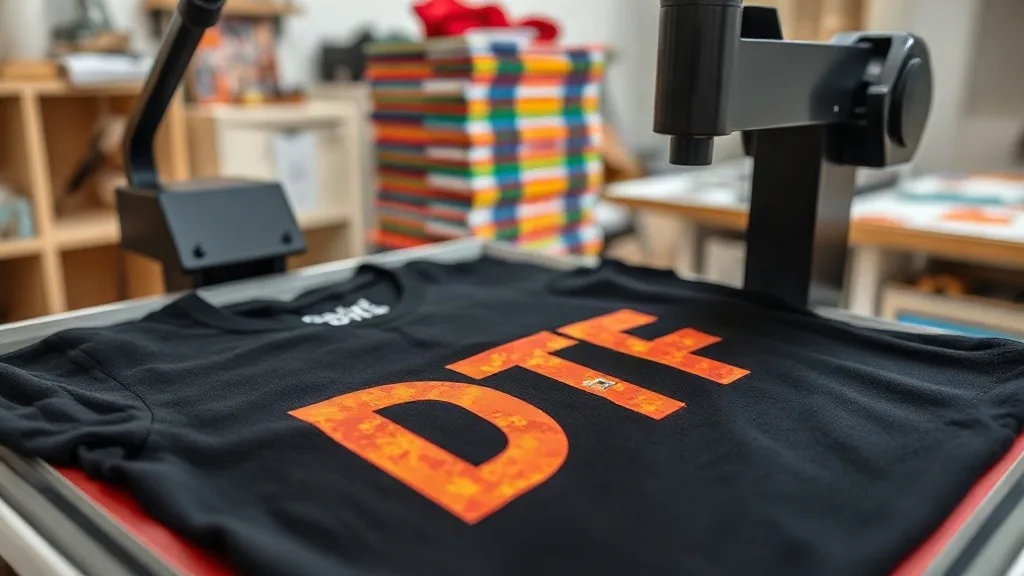
The process begins with your digital artwork. The design is printed onto a PET film using specialized DTF inks. While the ink is still wet, a hot-melt adhesive powder is applied evenly across the film. Excess powder is shaken off, and the film is heated to melt the powder, creating a dry, tacky surface. This film can then be stored until you're ready to press it onto a garment. When you are ready, you simply place the film on your fabric and apply heat and pressure with a heat press. Once cooled, you peel away the film, leaving a vibrant, flexible print.
Why Choose DTF Transfers?
There are several reasons why DTF transfers have become a go-to solution for many in the custom apparel industry.
- Versatility: DTF transfers work on almost any fabric, including dark colors and synthetic materials like polyester. This makes them ideal for printing on jerseys, hoodies, and even canvas bags.
- Durability: When applied correctly, DTF prints are highly durable. They resist cracking, peeling, and fading, even after multiple washes.
- Vibrant colors: DTF transfers produce bright, opaque colors that stand out on both light and dark garments.
- No pre-treatment: Unlike DTG printing, DTF does not require pre-treating the fabric, saving time and reducing chemical use.
- Cost-effective for small batches: DTF transfers are economical for small runs because you don't need expensive equipment or minimum order quantities.
DTF vs. Other Printing Methods
When compared to screen printing, DTF is more accessible for small businesses because it eliminates the need for screens and setup costs. For complex designs with many colors, DTF is often more practical than screen printing. Compared to vinyl, DTF offers softer hand feel and more detailed graphics. And unlike DTG, DTF doesn't require specialty garments and has a lower learning curve.
Finding DTF Transfers Near You
If you're convinced that DTF is right for your project, you might be wondering where to get DTF transfers. While you can invest in a DTF printer and produce your own transfers, many people prefer to order custom transfers from a professional service. This is where searching for dtf transfers near me comes in handy. Local suppliers can offer faster turnaround times and personalized service. However, online providers also abound, often with competitive pricing and the convenience of uploading your design directly.
When choosing a supplier, consider factors like print quality, turnaround time, minimum order requirements, and customer reviews. It's also a good idea to request samples to test the quality before committing to a large order.
Tips for Applying DTF Transfers
To ensure a successful application, follow these tips:
- Preheat your garment: This removes moisture and wrinkles, ensuring a smooth surface for the transfer.
- Use the right settings: Follow the recommended temperature, pressure, and time for your specific transfer and fabric. Typically, temperatures range from 300°F to 350°F (150°C to 175°C) for 10-15 seconds.
- Peel correctly: Most DTF transfers are cold peel, meaning you should wait until the transfer is completely cool before peeling the film. This prevents the design from stretching or distorting.
- Post-press: After peeling, a second press for a few seconds can improve adhesion and durability.
Common Challenges and How to Overcome Them
Even with a straightforward process, issues can arise. Here are some common problems and solutions:
- Transfer not adhering: This could be due to insufficient pressure, incorrect temperature, or pressing time too short. Double-check your heat press settings.
- Design cracking: Cracking often occurs if the transfer is stretched during peeling or if the fabric is stretched during pressing. Ensure the garment is flat and allow the transfer to cool completely before peeling.
- Color fading: While DTF prints are durable, washing inside out and avoiding harsh detergents can prolong their life.
Design Considerations for DTF
DTF transfers can handle intricate details and gradients well, but for best results, use high-resolution images (300 DPI or higher). Avoid designs with very fine lines or small text, as they may not reproduce clearly. Also, consider the fabric color: while DTF can print white ink, the underlying fabric can affect the final appearance, especially with light colors on dark backgrounds.
Is DTF Right for Your Business?
If you're in the custom apparel business, DTF transfers offer a flexible, cost-effective way to expand your offerings. They allow you to take on small orders, experiment with complex designs, and cater to customers who want prints on performance fabrics. However, if you specialize in high-volume, simple designs, screen printing might still be more economical. Assess your typical order size and design complexity to decide.
Frequently Asked Questions
What fabrics can I use with DTF transfers?
DTF transfers work on a wide range of fabrics, including cotton, polyester, blends, and even leather and canvas. They are particularly good for synthetic fabrics that are difficult to print with other methods.
How long do DTF transfers last?
With proper application and care, DTF transfers can last as long as the garment itself. They are resistant to cracking and fading, but washing inside out and avoiding high heat in the dryer will help extend their life.
Can I apply DTF transfers with a home iron?
While it's possible, a heat press is recommended for professional results. A home iron may not provide consistent pressure and temperature, leading to poor adhesion.
Do I need special ink for DTF printing?
Yes, DTF printing requires special DTF inks and adhesive powder. These are formulated to work together to create a durable transfer.
Where can I buy DTF transfers?
You can purchase DTF transfers from local print shops or online suppliers. When searching for dtf transfers near me, check reviews and request samples to ensure quality.