
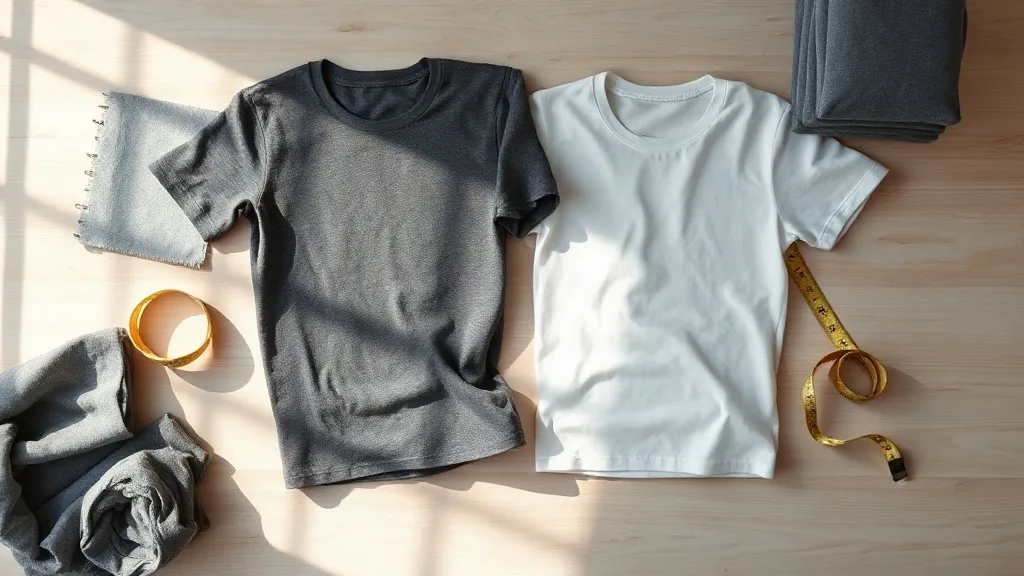
If you have spent any time sourcing blank tees for a print shop, a brand, or a store, you have probably run into the same fork in the road: a heavy, structured streetwear staple on one side and a soft, budget-friendly everyday blank on the other. That is exactly where shaka wear and smart blanks sit for most buyers. Both are legitimate choices, but they solve different problems. Picking the wrong one for a job shows up later as cracking prints, unhappy customers, or margins that quietly disappear.
This breakdown comes from the kind of trial and error you only get after running the same design across multiple blank lines and watching how each one behaves after a wash, a stretch, and a few hundred wears. Below is what actually matters when you compare these two, plus how to decide fast without ordering samples of everything on the market.
What Each Brand Is Actually Built For
Before fabric specs and price sheets, it helps to understand the design intent behind each line, because that intent shapes everything else.
Shaka Wear: structure and streetwear presence
Shaka Wear built its reputation on heavyweight cotton tees with a boxy, modern silhouette. The fabric tends to be denser, the shoulders sit wider, and the drape is closer to what you see on boutique streetwear shelves than on a promotional giveaways table. If your customer expects a tee that feels substantial in hand and holds its shape through repeated wear, this is the lane it occupies. The tradeoff is real: heavier fabric costs more per unit, and it can be warmer than some buyers expect for summer-focused collections.
Smart Blanks: softness and everyday versatility
Smart Blanks leans toward ring-spun softness and a more traditional retail fit. The hand feel is smoother out of the bag, which matters a lot if your end product is being sold to people who judge a shirt by touch before they ever look at the print. This line works well for retail brands, event merch, and anything where comfort and a lower unit cost both count. It is less about statement structure and more about a blank that disappears into daily rotation.
Fabric Weight and Hand Feel Compared
Weight is the single fastest way to narrow your choice. As a rough guide, lightweight blanks sit around 4 to 5 ounces, midweight around 5.5 to 6.5, and heavyweight climbs past 7 ounces. Heavier does not automatically mean better, but it does change how a shirt reads to the person wearing it.
- Shaka Wear typically lands in the midweight to heavyweight range, with a denser knit and a stiffer initial hand feel that softens after a few washes.
- Smart Blanks generally feels lighter and softer from the first touch, with a smoother surface that is friendly to fine details in a print.
- Heavier fabric hides wrinkles and drapes with more structure, while lighter fabric moves with the body and layers more easily.
A quick practical test: hold a sample up to a window. If light barely passes through, you are holding a shirt that will feel substantial and print with a crisp edge. If light comes through easily, expect a softer drape and a print that sits more visibly on the surface.
Fit, Sizing, and Who Wears It
Fit is where returns happen. A shirt that fits the model perfectly can hang awkwardly on a real customer, and the difference between a boxy cut and a classic cut is more noticeable than most spec sheets admit.
When the boxy cut wins
Streetwear drops, skate and surf shops, and anything with an oversized aesthetic benefit from the structured shape that Shaka Wear delivers. If your design relies on a large back print or a bold chest graphic, the extra surface area and firm drape keep the artwork flat instead of bunching.
When the classic fit wins
Corporate orders, school events, team uniforms, and retail basics usually want a fit that flatters a wide range of body types without drawing attention to itself. That is where smart blanks earns its keep. The more traditional cut reduces sizing complaints, which matters when you are shipping hundreds of shirts to people you will never meet.
One habit worth building: order one sample in your two most common sizes, not just a medium. Sizing drift between lines is common, and catching it before a bulk order saves a lot of awkward conversations.
Print Performance: Screen, DTG, and Vinyl
How a blank takes ink is often the deciding factor for print shops, and the two lines behave differently.
Heavy, tightly knit cotton like Shaka Wear holds plastisol and water-based screen prints well, with less ink bleeding into the fabric and sharper edges on thick lines. It also stands up to heat pressing without scorching as quickly, which gives you a little more room for error on the press. The flip side is that very heavy fabric can make a thick ink deposit feel stiff, so consider a thinner ink layer or a soft-hand additive on large prints.
Softer ring-spun blanks like Smart Blanks are excellent for DTG because the smooth surface accepts detail and gradients cleanly. Fine lines, small text, and photographic prints come out looking sharp. Water-based and discharge prints also sit nicely into the softer fabric, giving that worn-in, vintage look many brands chase. On the other hand, very heavy ink coverage on a lighter blank can feel plasticky, so match your print method to the fabric weight rather than forcing one process across every order.
Pricing, Margins, and Order Strategy
Cost per unit is only half the equation. What matters is cost per sellable shirt after you account for misprints, shrinkage, and returns.
- Calculate your landed cost including shipping and any duties, not just the listed wholesale price.
- Factor in a realistic misprint rate, usually somewhere between two and five percent depending on your process.
- Compare the retail price each blank can support. A heavier tee often justifies a higher price point.
- Check minimum order quantities against how fast you actually sell through inventory.
In practice, many shops keep both lines on hand. A heavier option for premium drops and a softer option for volume work gives you room to quote accurately instead of forcing every client into one blank. Buying in larger quantities of a single style usually lowers the unit price, but only if you are confident you will move the stock before styles shift.
Care, Shrinkage, and Longevity
Customers judge a blank months after purchase, not on the day it arrives. Cotton shrinks, especially on the first wash, and the amount varies by knit and finish. Pre-shrunk and ring-spun options tend to move less, but no cotton blank is completely immune.
Heavier fabrics like Shaka Wear often hold their shape longer and resist stretching at the collar, which is a common failure point on lighter tees. Softer blanks feel better immediately but may show wear sooner at the neckline and hem. If longevity is a selling point in your marketing, say so honestly and back it with care instructions: cold wash, low heat, and no fabric softener on printed areas.
Frequently Asked Questions
Is Shaka Wear good for screen printing?
Yes. The denser knit holds ink well and produces crisp edges, especially with plastisol. Keep ink layers moderate on very heavy styles so the print does not feel stiff.
Are Smart Blanks better for DTG printing?
They are a strong fit for DTG because the smooth, soft surface accepts fine detail and gradients cleanly. Always run a test print on the exact style and color you plan to order.
Which blank is better for a streetwear brand?
For a boxy, structured look with a premium feel, the heavier option usually wins. For a softer, everyday retail fit at a lower cost, the lighter ring-spun option is often the better call.
How much do blank tees shrink after washing?
Most cotton blanks shrink modestly on the first wash, typically in the range of a few percent. Pre-shrunk styles shrink less. Wash cold and dry low to keep sizing stable.
Should I order samples before a bulk order?
Always. Order at least two sizes, print a test design, and wash it once. That single step catches fit, shrinkage, and print issues before you commit to hundreds of units.