In the competitive world of custom apparel, finding a printing method that delivers vibrant colors, durability, and versatility can be a challenge. Enter dtf transfers, a technology that has rapidly gained traction among print shops and hobbyists alike. Unlike traditional methods that require specialized equipment or limit fabric choices, DTF (Direct to Film) printing offers a streamlined workflow and stunning results on a wide range of materials.
What Are DTF Transfers?
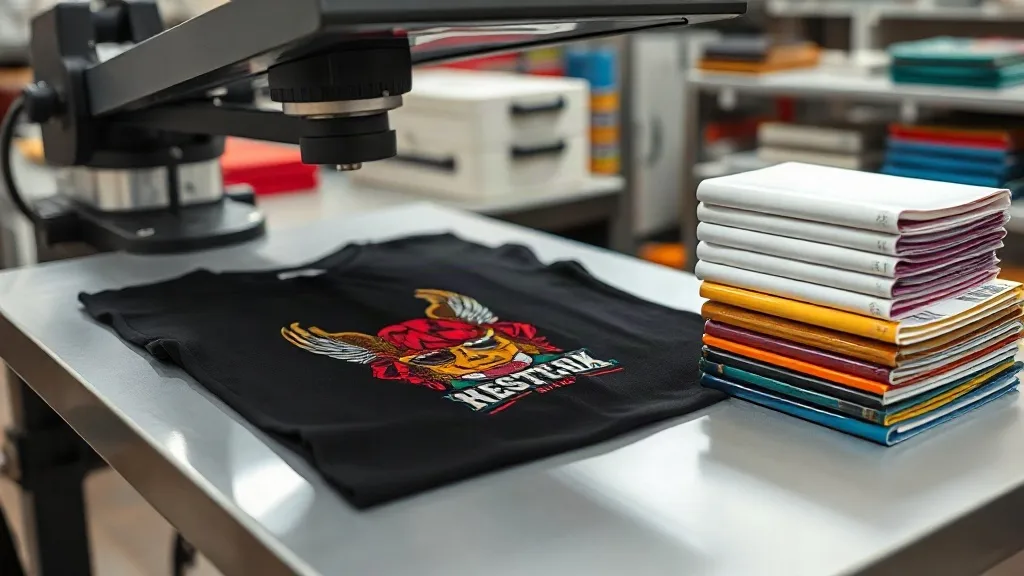
DTF transfers are printed designs on a special film that are then transferred onto fabric using a heat press. The process involves printing a mirror image of the design onto a PET film using specialized dtf inks, applying a powder adhesive, and then pressing the film onto the garment. Once peeled, the design remains on the fabric, bonded by the adhesive. This method eliminates the need for pre-treatment or weeding, making it efficient for both small and large orders.
Why Choose DTF Transfers?
There are several compelling reasons to consider DTF transfers for your next project. Here are the key benefits:
- Versatility: DTF transfers work on almost any fabric, including cotton, polyester, blends, and even nylon. This opens up possibilities for printing on items like canvas bags, hats, and shoes.
- Vibrant Colors: The process supports full-color printing with high detail, making it ideal for complex designs, gradients, and photographs.
- Durability: When properly applied, DTF transfers are resistant to cracking, peeling, and fading, ensuring long-lasting prints.
- No Weeding: Unlike vinyl, DTF transfers don't require weeding, saving time and reducing waste.
- Cost-Effective for Small Runs: DTF is economical for short runs and one-offs, as there are no setup costs like screen printing.
How DTF Transfers Compare to Other Methods
Understanding how DTF stacks up against other printing techniques can help you make an informed decision.
DTF vs. Screen Printing
Screen printing offers excellent durability and is cost-effective for large orders, but it requires separate screens for each color and is not practical for small batches. DTF, on the other hand, excels at detailed, multi-color designs without setup fees, making it perfect for small businesses and personalized items.
DTF vs. DTG
Direct-to-Garment (DTG) printing is ideal for 100% cotton fabrics and produces soft prints, but it often requires pre-treatment and can be less vibrant on dark colors. DTF works on more fabrics and delivers consistent results on both light and dark garments.
DTF vs. Vinyl
Heat transfer vinyl (HTV) is great for simple designs but requires weeding and layering for multi-color prints, which can be time-consuming. DTF eliminates weeding and allows for complex designs in a single press.
Applications of DTF Transfers
DTF transfers are used in a variety of industries and applications. Some common uses include:
- Custom t-shirts and apparel for teams, events, and businesses
- Personalized gifts like tote bags, aprons, and pillows
- Promotional items such as hats, jackets, and uniforms
- Fashion and boutique clothing with intricate designs
Finding DTF Transfers Near You
If you're looking to incorporate DTF transfers into your workflow, you might search for dtf transfers near me. Local suppliers can provide quick turnaround times and personalized support, which is especially valuable for businesses that need to meet tight deadlines. When choosing a supplier, consider their reputation, quality of materials, and customer service. Many suppliers offer online ordering with fast shipping, so you can access DTF transfers regardless of your location.
Tips for Successful DTF Printing
To get the best results with DTF transfers, follow these practical tips:
- Use a reliable heat press: Consistent temperature and pressure are crucial for proper adhesion. Invest in a quality heat press and calibrate it regularly.
- Follow the instructions: Each DTF film and powder may have specific pressing parameters. Always refer to the manufacturer's guidelines for temperature, time, and pressure.
- Pre-press the garment: Removing moisture from the fabric before pressing helps the transfer adhere better.
- Peel correctly: Most DTF transfers are cold peel, meaning you wait for the film to cool before peeling. This ensures the design stays intact.
- Post-press for durability: After peeling, a second press with a protective sheet can enhance wash durability.
Common Questions About DTF Transfers
How long do DTF transfers last?
With proper application and care, DTF transfers can last as long as the garment itself. They are resistant to cracking and fading, and can withstand multiple washes when washed inside out in cold water and tumble dried low.
Can I use DTF transfers on dark fabrics?
Yes, DTF transfers work excellently on dark fabrics because the white ink layer in the transfer provides a bright base for the colors, ensuring vibrancy even on black or navy garments.
Do I need special ink for DTF printing?
Yes, DTF printing requires specialized DTF inks that are formulated to adhere to the film and release properly during transfer. Using regular inks will not yield the same results.
What fabrics are not suitable for DTF?
While DTF works on most fabrics, it may not adhere well to fabrics with heavy coatings or finishes, such as water-repellent surfaces. It's always recommended to test on a small area first.