
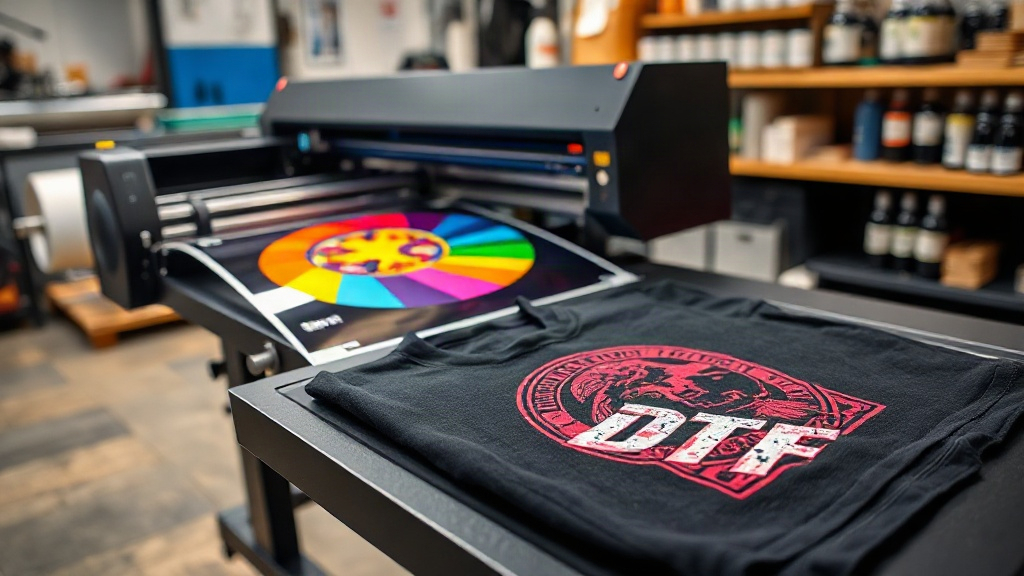
When you first hear about DTF printing, it might sound like just another printing acronym. But for anyone in the custom apparel world, DTF (Direct to Film) is quickly becoming a go-to method for producing vibrant, long-lasting designs on a wide range of fabrics. Unlike traditional screen printing or heat transfer vinyl, DTF offers a unique blend of flexibility, durability, and color brilliance that appeals to both hobbyists and commercial shops. In this guide, we'll walk you through what DTF printing is, how it works, and why it might be the perfect solution for your next project.
What Exactly Is DTF Printing?
DTF printing stands for Direct to Film. It's a digital printing process where your design is printed onto a special film, coated with a powdered adhesive, and then heat-pressed onto the fabric. The result is a soft, stretchable print that bonds permanently to the material. Because the design is printed on film first, you can transfer it to almost any fabric, including cotton, polyester, blends, and even nylon. This versatility sets DTF apart from other methods like DTG (Direct to Garment), which often requires pre-treatment and works best on 100% cotton.
How Does the DTF Process Work?
Understanding the steps involved helps you appreciate the magic behind DTF printing. Here's a breakdown of the typical workflow:
- Design Preparation: Create your artwork using graphic software. Remember to mirror the image if your printer requires it (most DTF printers print in reverse so the adhesive side faces the fabric).
- Printing: The design is printed onto a PET film using specialized DTF inks. These inks are vibrant and formulated to withstand the heat press.
- Powder Application: While the ink is still wet, a thermoplastic powder (often called hot-melt adhesive) is applied evenly over the print. The excess powder is shaken off.
- Curing: The film with powder goes through a curing oven or under a heat source to melt the powder, creating a solid adhesive layer.
- Transfer: Once cured, the film is placed on the fabric and heat-pressed. The adhesive melts and bonds the design to the fabric. After cooling, the film is peeled away, leaving the design behind.
Each step requires attention to detail, but the process is relatively straightforward once you get the hang of it.
Why Choose DTF Over Other Printing Methods?
There are several compelling reasons to consider DTF printing for your custom apparel needs:
- Fabric Versatility: Unlike DTG, which primarily works on cotton, DTF adheres well to cotton, polyester, blends, and even treated nylon. This opens up a world of possibilities for garment types.
- No Pre-Treatment: DTG often requires pre-treating the garment to improve ink adhesion. DTF eliminates that step, saving time and reducing chemical use.
- Vibrant Colors: DTF inks produce bright, opaque colors, even on dark fabrics. You can achieve white text on a black shirt without a separate white underbase.
- Durability: When applied correctly, DTF prints are stretchable and resistant to cracking, peeling, and fading. They hold up well to repeated washing.
- Cost-Effective for Small Runs: Unlike screen printing, which requires separate screens for each color, DTF is digital. This makes it ideal for small batches and one-off designs without setup fees.
- Detail and Gradient Support: DTF can reproduce fine details, gradients, and photorealistic images with ease.
These advantages make DTF a strong contender for both personal projects and commercial production.
DTF vs. DTG vs. Screen Printing: A Quick Comparison
To help you decide, here's how DTF stacks up against two other popular methods:
- DTF vs. DTG: DTG prints directly onto the garment, which limits it mostly to cotton. It often requires pre-treatment and can struggle with vibrant colors on dark shirts. DTF transfers from film, works on more fabrics, and delivers brighter colors without pre-treatment.
- DTF vs. Screen Printing: Screen printing is cost-effective for large orders but has high setup costs per color. It's also less practical for complex, multi-color designs. DTF excels in small runs, detailed designs, and offers unlimited color possibilities without screens.
Each method has its place, but DTF shines when you need versatility, vibrant colors, and efficiency for short runs.
Getting Started with DTF Printing
If you're ready to dive into DTF printing, here's what you'll need:
- DTF Printer: A dedicated DTF printer (or a converted inkjet printer with DTF ink and film).
- DTF Inks: Specifically formulated inks for DTF printing.
- PET Film: Special film that receives the print.
- Hot-Melt Powder: The adhesive that bonds the design to the fabric.
- Heat Press: For transferring the design.
- Curing Oven or Heat Gun: To melt the powder.
- Design Software: Such as Photoshop, Illustrator, or free alternatives like GIMP or Inkscape.
Start with a small setup to learn the ropes. Many beginners purchase a converted Epson printer and a starter kit. As you gain experience, you can scale up to commercial-grade equipment.
Tips for Successful DTF Printing
To ensure your DTF prints come out perfect every time, keep these tips in mind:
- Mirror Your Image: Unless your printer automatically mirrors, flip your design horizontally before printing. This ensures the adhesive side faces the fabric correctly.
- Control Powder Application: Too much powder leads to a rough feel; too little causes poor adhesion. Aim for an even, thin coating. Shake off excess gently.
- Cure Properly: Follow the powder manufacturer's temperature and time recommendations. Under-curing results in washing off; over-curing can burn the film.
- Heat Press Settings: Typical settings are 325°F (160°C) for 15-20 seconds with medium pressure. Always test with your specific materials.
- Peel Test: After pressing, wait for the film to cool completely before peeling. If the design lifts, press again for a few more seconds.
- Wash Care: Instruct customers to wash inside out in cold water and avoid fabric softeners to prolong print life.
Practice makes perfect. Experiment with different fabrics and settings to find what works best for you.
Common Challenges and How to Overcome Them
Even with experience, you might encounter issues. Here are some common problems and solutions:
- Ink Clogging: DTF inks can clog printheads if not used regularly. Print a small test pattern daily and keep the printer in a humid environment.
- Poor Adhesion: Ensure the powder is fully cured and the heat press is at the correct temperature. Also, make sure the fabric is clean and free of wrinkles.
- Color Fading: Use high-quality inks and follow wash care instructions. Some fabrics may require a higher ink volume for opacity.
- Film Wrinkling: Store film flat and handle carefully. Wrinkled film can cause uneven transfers.
With a bit of troubleshooting, you can master DTF printing and produce professional results.
Frequently Asked Questions About DTF Printing
What fabrics can I use with DTF printing?
DTF printing works on a wide range of fabrics, including cotton, polyester, cotton-poly blends, nylon, and even leather. It's particularly useful for fabrics that are difficult to print on with other methods.
Is DTF printing durable?
Yes, when applied correctly, DTF prints are highly durable. They resist cracking, peeling, and fading, and can stretch with the fabric without breaking. Proper washing and care will extend the life of the print.
Can I use DTF printing for small orders?
Absolutely. DTF is digital, so there are no minimum order quantities or setup fees. It's perfect for one-off designs, samples, or small batches.
Do I need special equipment for DTF printing?
You need a DTF printer (or a converted printer), DTF inks, PET film, hot-melt powder, a heat press, and a curing method (oven or heat gun). A basic setup can be assembled for a few hundred dollars.
How does DTF compare to vinyl printing?
DTF printing allows for full-color, detailed designs without weeding, unlike heat transfer vinyl (HTV) which requires cutting and weeding each color. DTF is generally faster for complex designs and offers a softer feel.
Final Thoughts
DTF printing is revolutionizing the custom apparel industry by offering unmatched versatility, vibrant colors, and durability. Whether you're a small business owner, a hobbyist, or a large-scale producer, DTF can elevate your creations. With the right equipment and a bit of practice, you'll be producing professional-grade custom apparel in no time. So why not give DTF a try? Your customers will love the results, and you'll love the possibilities.