
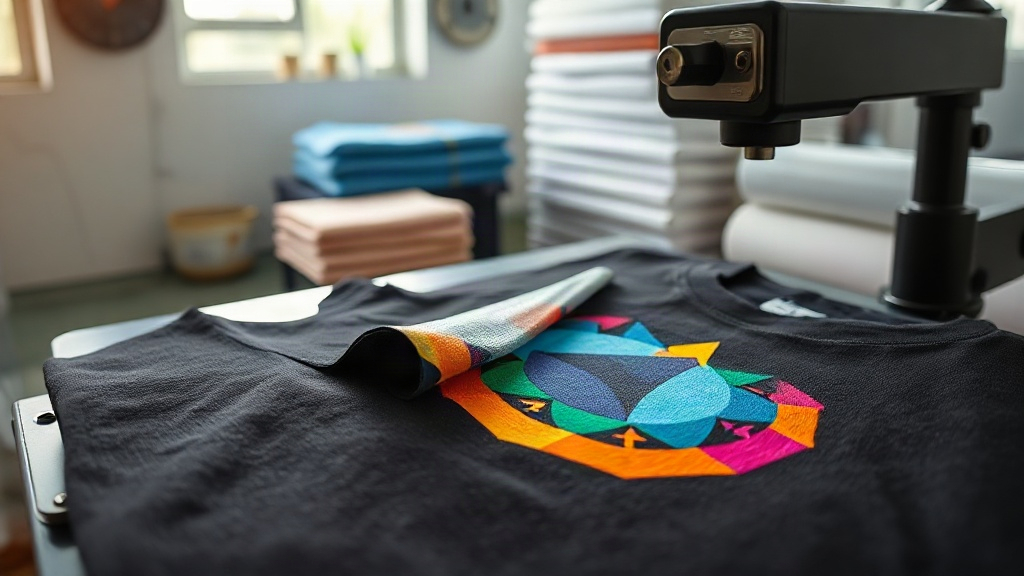
If you've been exploring custom apparel printing, you've likely encountered DTF transfers. This technology has rapidly become a favorite among small business owners, crafters, and DIY enthusiasts for its ability to produce vibrant, durable prints on a wide range of fabrics. Unlike traditional methods that require specific materials or extensive setup, DTF transfers offer a streamlined approach that delivers professional results. In this guide, we'll dive deep into what DTF transfers are, how they work, and why they might be the perfect solution for your next project.
What Are DTF Transfers?
DTF stands for Direct to Film. It's a printing method where your design is printed onto a special film, coated with a adhesive powder, and then heat-pressed onto the fabric. The magic lies in the film's ability to hold intricate details and vibrant colors, which are then transferred to the garment through heat and pressure. This process eliminates the need for weeding or layering, making it accessible even for beginners.
The DTF Printing Process Step by Step
Understanding the steps involved in creating and applying DTF transfers can help you appreciate the technology and achieve better results. Here's a breakdown:
- Design Preparation: Your artwork is prepared digitally, ensuring it's mirrored and sized appropriately.
- Printing: A specialized DTF printer prints the design onto a PET film using CMYK and white inks. The white ink acts as a base, allowing the design to show up on dark fabrics.
- Powder Application: While the ink is still wet, a thermoplastic powder is applied evenly over the print. Excess powder is shaken off.
- Curing: The film passes through a heat source (like a heat press or oven) to melt the powder, creating a adhesive layer.
- Transfer: The film is placed onto the fabric and heat-pressed. After cooling, the film is peeled away, leaving the design bonded to the fabric.
Why Choose DTF Transfers for Your Custom Apparel?
There are several compelling reasons why DTF transfers have gained such popularity. Let's explore the key benefits that set them apart from other printing methods.
Unmatched Versatility
One of the biggest advantages of DTF transfers is their compatibility with a wide range of fabrics. Unlike heat transfer vinyl (HTV) that adheres best to cotton, DTF works beautifully on cotton, polyester, blends, and even treated nylon. This means you can customize t-shirts, hoodies, tote bags, and more without worrying about the material. Additionally, DTF transfers can be applied to both light and dark garments without the need for separate processes.
Vibrant and Durable Prints
The prints produced by DTF transfers are known for their vivid colors and fine details. The white ink base ensures that colors pop, even on dark backgrounds. Moreover, when applied correctly, DTF prints are highly durable. They resist cracking, peeling, and fading, even after multiple washes. This longevity makes them ideal for items that will see regular use.
Cost-Effective for Small Batches
For small businesses or individuals creating limited runs, DTF transfers are a cost-effective solution. There's no need for expensive screens or setup fees, and you can print one-off designs without minimum order quantities. This makes it perfect for personalized gifts, sample products, or testing new designs before scaling up.
Easy to Use
With a heat press and some practice, applying DTF transfers is straightforward. The process doesn't require extensive training, and you can achieve professional-looking results quickly. This accessibility has made DTF a go-to method for crafters and small business owners.
DTF Transfers vs. Other Printing Methods
To truly appreciate DTF transfers, it helps to compare them with other common printing techniques.
DTF vs. DTG (Direct to Garment)
DTG printing involves printing directly onto the garment. While it's great for detailed designs on cotton, it struggles with polyester and dark colors. DTF, on the other hand, works on almost any fabric and handles dark colors with ease. DTF also tends to be more durable and cost-effective for small batches.
DTF vs. Screen Printing
Screen printing is the traditional method for bulk orders. It offers excellent durability and vibrant colors, but it requires separate screens for each color, making it expensive for complex designs or small runs. DTF transfers eliminate these setup costs and are better suited for detailed, multi-color designs.
DTF vs. HTV (Heat Transfer Vinyl)
HTV is a popular choice for DIY enthusiasts. It's easy to use and widely available, but it requires weeding and layering for multi-color designs. DTF transfers come pre-printed and ready to press, saving time and allowing for more intricate artwork. DTF also adheres to more fabric types than HTV.
How to Apply DTF Transfers: Best Practices
Getting the best results from your DTF transfers involves following a few key steps and tips. Here's a practical guide.
Step 1: Choose the Right Fabric
While DTF works on many fabrics, some are more challenging. For best results, choose fabrics with a smooth surface. Cotton, polyester, and blends are ideal. Avoid fabrics with heavy textures or coatings, as they may prevent proper adhesion.
Step 2: Preheat Your Heat Press
Set your heat press to the recommended temperature, usually between 300°F and 350°F (150°C to 175°C). Preheat the garment for a few seconds to remove moisture and wrinkles. This step ensures a smooth surface for the transfer.
Step 3: Position the Transfer
Place the DTF transfer on the garment with the printed side facing up. If your design is intricate, you can use heat-resistant tape to hold it in place.
Step 4: Apply Heat and Pressure
Press the transfer for 10-20 seconds with medium to firm pressure. The exact time and pressure can vary depending on your heat press and the transfer manufacturer's instructions, so always check the guidelines.
Step 5: Peel and Enjoy
After pressing, allow the transfer to cool completely before peeling off the film. You can peel it either hot or cold, but cold peel is generally recommended for DTF. Once peeled, your vibrant design is ready to showcase.
Step 6: Post-Press for Durability
For added durability, you can cover the design with a Teflon sheet or parchment paper and press for another 5-10 seconds. This step helps the adhesive fully bond with the fabric.
Common Challenges and How to Overcome Them
Even with the best practices, you might encounter some issues. Here are common problems and their solutions.
Transfer Not Adhering Properly
If the transfer peels off or doesn't stick, it could be due to insufficient pressure, incorrect temperature, or a fabric that's not suitable. Ensure your heat press is calibrated and apply consistent pressure. Also, pre-press the garment to remove moisture.
Colors Looking Dull
Dull colors often result from under-curing the powder or using too low a temperature during transfer. Make sure the powder is fully melted during curing and that you're using the correct transfer settings.
Cracking or Fading Over Time
To prevent cracking, avoid stretching the garment excessively when wearing or washing. Turn garments inside out and wash in cold water. Also, ensure the transfer is properly cured and post-pressed.
Frequently Asked Questions About DTF Transfers
What fabrics can I use with DTF transfers?
DTF transfers work on a wide range of fabrics, including cotton, polyester, cotton-poly blends, and even some synthetic materials like nylon. However, for best results, choose fabrics with a smooth surface. Fabrics with heavy textures or water-repellent coatings may not adhere well.
How durable are DTF transfers?
When applied correctly, DTF transfers are very durable. They can withstand repeated washing without cracking, peeling, or fading. To maximize longevity, wash garments inside out in cold water and avoid using bleach or fabric softeners.
Can I stretch the garment after applying a DTF transfer?
DTF transfers have some elasticity, but excessive stretching can cause the print to crack over time. It's best to avoid stretching the printed area. If you need stretchability, consider designs with less coverage or use a transfer specifically designed for stretch fabrics.
Do I need a special printer for DTF transfers?
Yes, DTF printing requires a dedicated DTF printer that uses pigment inks and white ink. These printers are available from various manufacturers and come in different sizes. Alternatively, you can purchase pre-printed DTF transfers from suppliers.
How do I store unused DTF transfers?
Store unused DTF transfers in a cool, dry place, away from direct sunlight. Keep them in a sealed bag or container to prevent dust and moisture from affecting the adhesive powder. Properly stored transfers can last for several months.
Final Thoughts
DTF transfers have opened up new possibilities for custom apparel printing. Their versatility, durability, and ease of use make them an excellent choice for businesses and individuals alike. Whether you're creating personalized gifts, promotional items, or a full clothing line, DTF transfers can help you achieve professional results without the complexity of traditional methods. As with any printing technique, practice and attention to detail will ensure success. So why not give DTF transfers a try for your next project? With the right approach, you'll be amazed at what you can create.