
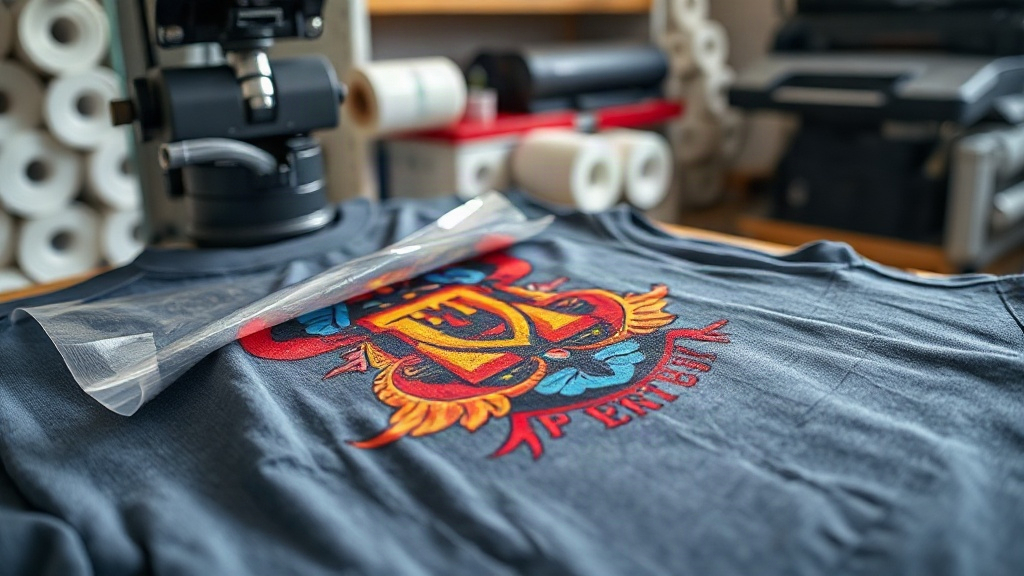
When you want to create custom apparel that stands out, the printing method you choose can make or break the final product. Among the many options available, DTF transfers have quickly become a favorite for both hobbyists and professional decorators. This technology allows you to print full-color designs onto a special film and then transfer them to fabrics like cotton, polyester, and blends with remarkable ease. Whether you're running a small business or making personalized gifts, understanding DTF transfers can open up a world of creative possibilities.
What Are DTF Transfers?
DTF stands for Direct to Film. Unlike DTG (Direct to Garment) printing, which prints directly onto the fabric, DTF transfers involve printing your design onto a PET film using specialized inks. A powder adhesive is then applied to the wet ink, and the film is cured. The result is a flexible, stretchable transfer that can be heat-pressed onto a wide range of materials. This two-step process allows for intricate details and vibrant colors that rival screen printing, without the setup costs.
The magic of DTF transfers lies in their versatility. Because the design sits on top of the fabric rather than being absorbed into it, you can achieve bright whites and neon colors on dark garments without multiple layers. Plus, the adhesive powder ensures strong bonding, so your prints withstand repeated washing.
How DTF Transfers Work: Step by Step
Understanding the workflow helps you appreciate why DTF is gaining traction. Here's a breakdown of the process:
- Design Preparation: Create your artwork in a graphic design program. Remember to mirror the image before printing, as you'll be pressing it face down.
- Printing: Use a DTF printer with pigment inks to print onto the PET film. The printer lays down a white ink base (if needed) and then the colors.
- Powdering: While the ink is still wet, apply a fine layer of hot-melt adhesive powder. Shake off the excess.
- Curing: Place the film in a curing oven or under a heat press to melt the powder. This step is crucial for durability.
- Transfer: Position the film on your garment and heat press it. The adhesive melts, bonding the design to the fabric.
- Peeling: After pressing, remove the film (hot or cold peel depending on the adhesive). Your custom apparel is ready!
Each step requires attention to detail, but once you dial in your settings, the process becomes second nature.
Why Choose DTF Transfers for Custom Apparel?
There are several compelling reasons why DTF transfers are becoming the go-to method for custom apparel:
- Fabric Freedom: Unlike DTG, which works best on 100% cotton, DTF adheres to cotton, polyester, nylon, leather, and more. This means you can decorate almost any garment in your inventory.
- Vibrant Colors: DTF inks produce bright, opaque colors, even on dark backgrounds. You don't need a separate white underbase for each color, saving time and money.
- No Weeding: With vinyl, you have to weed out tiny details. DTF eliminates that tedious step, making it perfect for intricate designs.
- Cost-Effective for Short Runs: Screen printing requires screens for each color, which is expensive for small batches. DTF has no setup costs, so you can print one-offs or small orders profitably.
- Durability: When applied correctly, DTF prints withstand dozens of washes without cracking or fading. The stretchable adhesive moves with the fabric, reducing wear.
These benefits make DTF an attractive option for startups, crafters, and established businesses alike.
DTF vs. Other Printing Methods
How does DTF stack up against DTG, screen printing, and heat transfer vinyl (HTV)? Let's compare:
DTF vs. DTG
DTG is excellent for 100% cotton and produces a soft hand feel. However, it struggles on polyester and dark colors often require a pretreatment. DTF, on the other hand, works on almost any fabric and delivers consistent results on darks. DTG may be faster for large runs, but DTF offers more versatility.
DTF vs. Screen Printing
Screen printing is the gold standard for large orders, offering unmatched durability and cost-per-unit at high volumes. But it requires screens, setup time, and is impractical for small batches. DTF shines for short runs and complex designs, though the cost per print is higher than screen printing at scale.
DTF vs. HTV
HTV is great for simple designs and single-color text. But layering multiple colors can make the design thick and prone to peeling. DTF produces a thinner, more flexible print that can handle full-color images without layering. Plus, no weeding means faster production.
Applications of DTF Transfers
The uses for DTF transfers go beyond t-shirts. Here are some popular applications:
- T-shirts and Polos: Perfect for team uniforms, event merch, and fashion apparel.
- Hoodies and Sweatshirts: DTF adheres well to fleece and cotton blends.
- Tote Bags: Create custom bags for promotions or retail.
- Activewear: The stretchable nature of DTF makes it ideal for leggings, jerseys, and spandex blends.
- Denim and Canvas: Add designs to jackets, jeans, and shoes.
- Home Decor: Personalize pillows, aprons, and more.
If it can go through a heat press, you can probably decorate it with DTF.
Tips for Perfect DTF Transfers
To get professional results, keep these tips in mind:
- Preheat Your Garment: This removes moisture and wrinkles, ensuring better adhesion.
- Use the Right Pressure: Medium to heavy pressure is typically needed. Check your heat press settings.
- Temperature and Time: Most DTF films require 300-325°F for 10-15 seconds. Always follow the film manufacturer's recommendations.
- Peel Carefully: Whether hot or cold peel, peel slowly at a low angle to avoid distorting the design.
- Post-Press for Durability: A second press with a cover sheet for a few seconds can improve washability.
- Store Films Properly: Keep unused films in a cool, dry place to prevent moisture absorption.
Experiment with scrap fabric to dial in your settings before pressing onto a final garment.
Common Mistakes to Avoid
Even experienced decorators can run into issues. Watch out for these pitfalls:
- Insufficient Pressure: Leads to poor adhesion and early peeling.
- Too Much Heat: Can scorch the fabric or cause the adhesive to over-melt, resulting in a stiff print.
- Not Pre-Pressing: Moisture can create steam pockets, ruining the transfer.
- Using the Wrong Film: Some films are designed for specific fabrics or inks. Always match the film to your printer and application.
- Ignoring Wash Care: Instruct customers to wash inside out in cold water and avoid bleach.
By avoiding these mistakes, you'll achieve consistent, long-lasting results.
Frequently Asked Questions About DTF Transfers
How long do DTF transfers last?
With proper application and care, DTF transfers can last 50+ washes. The key is using quality film, correct heat press settings, and following wash instructions.
Can I use DTF transfers on 100% polyester?
Yes, DTF works great on polyester. In fact, it often adheres better to polyester than DTG. Just be mindful of the heat setting to avoid melting the fabric.
Do I need a special printer for DTF?
You can convert some inkjet printers to DTF, but dedicated DTF printers are recommended for best results. They use specialized pigment inks and have a white ink channel for printing on dark garments.
What is the difference between hot peel and cold peel DTF film?
Hot peel film is removed immediately after pressing while the transfer is still hot. Cold peel requires you to wait until it cools completely. Hot peel is faster, but cold peel can sometimes offer a smoother finish. Always follow the film's instructions.
Can I layer DTF transfers?
Yes, you can layer DTF transfers, but it's tricky. It's better to print the entire design as one transfer if possible. If you must layer, press the bottom layer first, then add the top layer and press again.
Final Thoughts
DTF transfers have democratized custom apparel printing, offering a versatile, cost-effective solution for creators at any level. From intricate full-color designs to durable prints on challenging fabrics, DTF delivers. As the technology evolves, we can expect even better films and inks, making it an essential tool in every decorator's arsenal. Whether you're just starting out or looking to expand your offerings, mastering DTF transfers can set your business apart.