
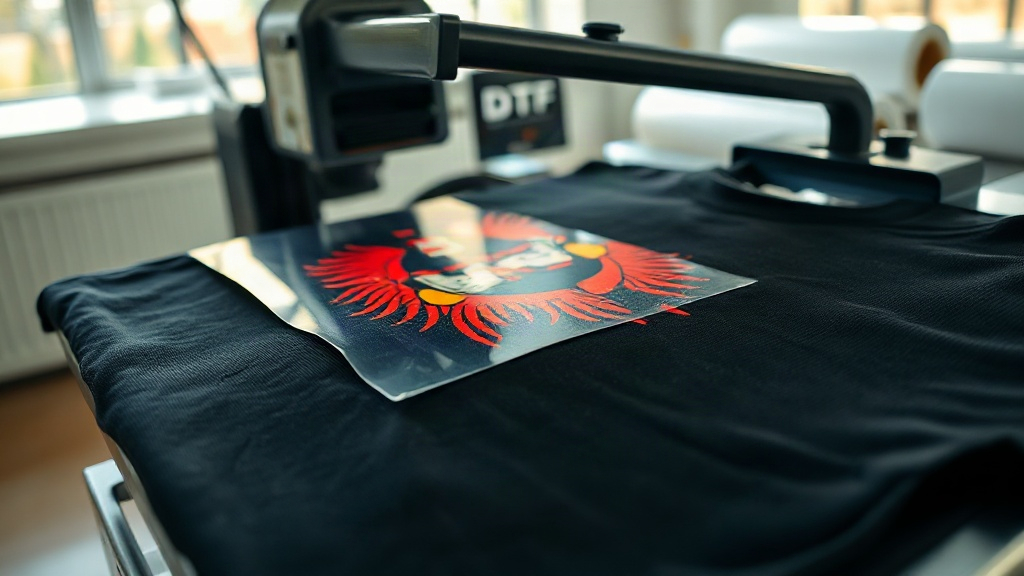
In the competitive world of custom apparel, finding a decoration method that balances quality, cost, and versatility can feel like a never-ending quest. Enter DTF transfers, a technology that has rapidly gained traction among printers and creators alike. Unlike traditional methods that often require specific fabrics or complex setups, DTF transfers offer a streamlined approach to producing vivid, long-lasting designs on a wide range of materials. Whether you're a small business owner looking to expand your product line or a hobbyist eager to experiment, understanding DTF transfers can open up new creative possibilities.
What Are DTF Transfers?
DTF stands for Direct to Film. This printing method involves printing a design onto a special film, coating it with a powder adhesive, and then transferring it onto a garment using a heat press. The result is a soft, stretchable print that adheres well to cotton, polyester, blends, and even some leathers. Unlike DTG (Direct to Garment) printing, which requires pre-treatment and works best on 100% cotton, DTF transfers are incredibly versatile and can be applied to almost any fabric color, including dark shirts.
How DTF Transfers Work: A Step-by-Step Overview
Understanding the workflow helps you appreciate the magic behind DTF transfers. Here's a breakdown of the process:
- Design Preparation: Your artwork is prepared in a RIP software, which handles color management and ensures the design is mirrored if necessary.
- Printing: A specialized DTF printer lays down white ink as a base, followed by CMYK inks, onto a PET film. The white layer acts as an opaque background, allowing the colors to pop on any garment.
- Powdering: While the ink is still wet, a thermoplastic powder is applied evenly over the print. Excess powder is shaken off.
- Curing: The film passes through a curing oven or under a heat source to melt the powder, creating a flexible adhesive layer.
- Transfer: The film is placed onto the garment and pressed with a heat press at specific temperature, pressure, and time. After pressing, the film is peeled off (hot or cold peel, depending on the film), leaving the design bonded to the fabric.
Why Choose DTF Transfers for Your Custom Apparel?
DTF transfers have several advantages that make them a smart choice for businesses and creators:
- Fabric Versatility: Works on cotton, polyester, nylon, leather, and more. No need to stock multiple solutions.
- No Weeding or Cutting: Unlike vinyl, DTF transfers don't require tedious weeding, saving time and labor.
- Vibrant Colors on Dark Garments: The white ink base ensures bright, opaque colors even on black or navy shirts.
- Durability: When applied correctly, DTF prints withstand repeated washing without cracking or fading.
- Cost-Effective for Small Batches: No minimum order quantities, making it ideal for one-offs or sample runs.
DTF vs. Other Decoration Methods
How do DTF transfers stack up against screen printing, DTG, and vinyl? Each method has its strengths, but DTF often shines in flexibility.
DTF vs. Screen Printing
Screen printing is cost-effective for large orders but requires setup for each color and is impractical for complex designs with gradients. DTF handles full-color designs in one pass and has no minimums, though the per-unit cost may be higher for bulk orders.
DTF vs. DTG
DTG excels on 100% cotton but struggles on synthetics and dark colors without pretreatment. DTF works on virtually any fabric and doesn't require pretreatment, making it more versatile.
DTF vs. Heat Transfer Vinyl (HTV)
HTV is great for simple logos and text but limited in color and detail. DTF can reproduce photographic images and intricate patterns with ease.
Practical Tips for Successful DTF Transfers
To get the best results from DTF transfers, keep these tips in mind:
- Choose Quality Film and Powder: Not all DTF supplies are created equal. Invest in reputable brands to ensure consistent adhesion and durability.
- Master Your Heat Press Settings: Temperature, pressure, and time vary by film type. Always follow the manufacturer's recommendations and test on scrap fabric.
- Pre-Press Garments: Remove moisture and wrinkles before transferring to ensure proper adhesion.
- Store Transfers Properly: Keep unused transfers in a cool, dry place away from direct sunlight to prevent premature curing.
- Wash Inside Out: Advise customers to wash garments inside out in cold water and tumble dry low to extend the life of the print.
Common Challenges and How to Overcome Them
Even with a solid understanding, you might encounter issues. Here are solutions to common problems:
Peeling or Cracking
This often results from insufficient pressure, incorrect temperature, or under-curing the powder. Increase pressure, verify temperature with a heat gun, and ensure the powder is fully melted.
Dull Colors
If colors appear muted, check that your printer is using the correct ICC profile and that the white ink layer is thick enough. Also, ensure the film is not expired.
Adhesive Residue on Film
Excess powder can leave a sticky residue. Be sure to shake off excess powder thoroughly before curing.
Applications of DTF Transfers
DTF transfers are not limited to t-shirts. They can be used on:
- Hoodies and sweatshirts
- Tote bags
- Denim jackets
- Sportswear and jerseys
- Corporate uniforms
- Promotional items
The possibilities are endless, limited only by your imagination.
Frequently Asked Questions About DTF Transfers
Can I use DTF transfers on 100% polyester?
Yes, DTF transfers work well on polyester. However, because polyester is heat-sensitive, you should use lower temperature settings (around 250-275°F) and light pressure to avoid scorching or dye migration. Always test on a sample first.
How long do DTF transfers last?
With proper application and care, DTF transfers can last as long as the garment itself. They withstand dozens of washes without significant fading or cracking. Following washing instructions is key to longevity.
Do I need a special printer for DTF transfers?
Yes, DTF requires a dedicated DTF printer that uses DTF inks and can handle the white ink layering. However, you can also buy pre-printed transfers from suppliers if you don't want to invest in a printer.
What is the best way to store DTF transfers?
Store them in a cool, dry place, ideally in a sealed bag or container to protect from moisture and dust. Avoid direct sunlight and high humidity.
Can I layer DTF transfers?
Yes, you can layer DTF transfers, but it's best to press each layer separately and ensure proper adhesion. Use a heat press for consistent results.
Conclusion
DTF transfers have emerged as a game-changer in custom apparel decoration. Their versatility, ease of use, and vibrant results make them an attractive option for businesses of all sizes. By understanding the process, leveraging the right techniques, and avoiding common pitfalls, you can harness the power of DTF to create stunning, durable designs that delight your customers. Whether you're just starting or looking to expand your offerings, DTF transfers are worth exploring.