
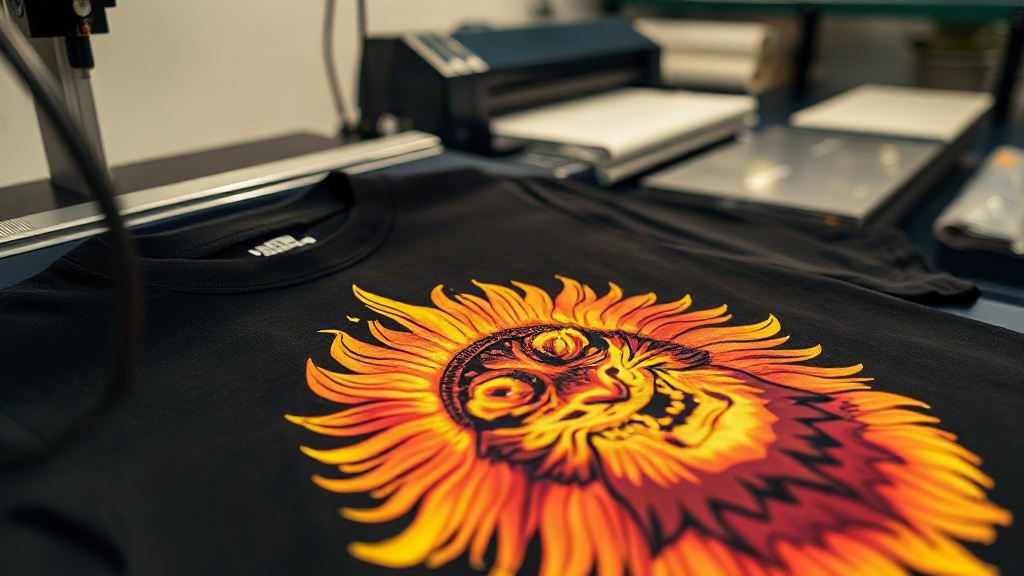
When it comes to custom apparel, DTF transfers have quickly become a game-changer for businesses and individuals alike. Unlike traditional methods that require expensive equipment or minimum orders, DTF transfers offer a versatile, cost-effective solution for bringing vibrant designs to life on a variety of fabrics. Whether you're a small business owner looking to create branded merchandise or a hobbyist wanting to personalize gifts, understanding DTF transfers can open up a world of possibilities. In this guide, we'll dive deep into what DTF transfers are, how they work, and why they might be the perfect choice for your next project.
What Are DTF Transfers?
DTF stands for Direct-to-Film, a printing technology that involves transferring a design onto a special film, then applying it to fabric using heat and pressure. The process begins with printing your design onto a PET film using specialized DTF inks. A powder adhesive is then applied to the wet ink, and the film is cured. Once ready, the transfer can be applied to garments like t-shirts, hoodies, and even denim. The result is a durable, stretchable print that bonds seamlessly with the fabric.
One of the key advantages of DTF transfers is that they work on a wide range of materials, including cotton, polyester, and blends. This versatility sets them apart from other methods like screen printing or vinyl, which may require specific fabric types. Additionally, DTF transfers don't require weeding or masking, simplifying the production process.
How DTF Transfers Compare to Other Printing Methods
Choosing the right printing method for your project can be overwhelming. Let's break down how DTF transfers stack up against other popular techniques.
DTF vs. Screen Printing
Screen printing is ideal for large orders with simple designs, as it involves creating a separate screen for each color. While it offers excellent durability and a classic look, it becomes costly for small batches or multi-color designs. DTF transfers, on the other hand, are cost-effective for small to medium runs and can handle intricate, full-color designs without extra setup fees. Plus, DTF transfers don't require color separation, making them more accessible for beginners.
DTF vs. Vinyl Printing
Vinyl printing (HTV) is great for simple text and single-color graphics, but it struggles with complex images and gradients. Weeding vinyl can be time-consuming, and layering multiple colors adds thickness. DTF transfers eliminate weeding and allow for photorealistic prints with fine details. They also adhere well to difficult fabrics like nylon and leather, where vinyl might not stick.
DTF vs. DTG
Direct-to-garment (DTG) printing is similar to DTF in that it's digital, but it requires pre-treatment and works best on 100% cotton. DTF transfers are more versatile, bonding to almost any fabric, and often have a softer feel. DTG can be more expensive per unit for small orders, while DTF transfers offer a lower cost per print, especially when produced in bulk.
The DTF Transfer Process Step by Step
Understanding the workflow of DTF transfers can help you achieve professional results. Here's a breakdown of the key steps:
- Design Preparation: Create your artwork using graphic software. Ensure it's mirrored (unless using a printer with a mirror function) and sized appropriately.
- Printing: Using a DTF printer, print the design onto PET film with DTF inks. The printer lays down a white ink base (for opacity) followed by CMYK colors.
- Powder Application: While the ink is wet, apply hot melt adhesive powder evenly over the design. Shake off excess.
- Curing: Place the film in a curing oven or under a heat press to melt the powder. This creates a adhesive layer that will bond to the fabric.
- Transfer: Set your heat press to the recommended temperature (usually around 160°C/320°F) and pressure. Place the transfer on the garment and press for 10-15 seconds.
- Peel: After pressing, peel the film off while it's hot or cold, depending on the film type. The design remains on the fabric.
Benefits of Using DTF Transfers
Why are DTF transfers gaining so much popularity? Here are some compelling reasons:
- Versatility: Works on cotton, polyester, blends, and even treated nylon and leather.
- No Weeding: Saves time and labor compared to vinyl cutting.
- Vibrant Colors: Achieve photorealistic, full-color designs with fine gradients.
- Durability: Prints resist cracking, peeling, and fading after multiple washes.
- Cost-Effective: Low startup costs and affordable for small batches.
- Stretchability: The prints stretch with the fabric without distorting.
Applications of DTF Transfers
DTF transfers are used in a wide range of applications, from personal projects to commercial production. Some common uses include:
- Custom T-shirts and Hoodies: Perfect for creating branded apparel for teams, events, or resale.
- Sportswear: Ideal for jerseys and activewear due to their stretchability and durability.
- Denim and Jackets: Adds a unique touch to denim without the stiffness of traditional transfers.
- Bags and Accessories: Personalize tote bags, backpacks, and more.
- Promotional Items: Great for corporate giveaways and marketing materials.
Tips for Successful DTF Transfer Application
To get the best results with DTF transfers, keep these tips in mind:
- Choose the Right Film: Different films have different peel types (hot, cold, warm). Follow the manufacturer's instructions.
- Preheat the Garment: This removes moisture and wrinkles, ensuring better adhesion.
- Use Consistent Pressure: Uneven pressure can lead to incomplete transfers.
- Test Before Full Production: Always do a test press on a scrap fabric to dial in settings.
- Store Transfers Properly: Keep unused transfers in a cool, dry place to prevent premature curing.
Common Mistakes to Avoid with DTF Transfers
Even experienced users can run into issues. Here are some pitfalls to watch out for:
- Insufficient Powder: Too little powder leads to poor adhesion; too much creates a rough texture.
- Under-Curing: If the powder isn't fully melted, the transfer won't bond properly.
- Over-Pressing: Excessive heat or time can cause scorching or ink bleeding.
- Peeling Too Early/Late: Peeling at the wrong temperature can ruin the design.
- Ignoring Fabric Type: Some fabrics require lower temperatures; always check compatibility.
Frequently Asked Questions About DTF Transfers
How long do DTF transfers last?
With proper application and care, DTF transfers can last as long as the garment itself. They withstand 50+ washes without significant fading or cracking when washed inside out in cold water and air-dried.
Can I use DTF transfers on dark colors?
Absolutely! DTF transfers include a white ink base that makes colors pop on dark fabrics. This is one of their major advantages over DTG printing, which may require a white underbase for dark garments.
Do I need a special printer for DTF transfers?
Yes, DTF printing requires a dedicated DTF printer that uses DTF inks and can handle PET film. However, you can also purchase pre-made DTF transfers from suppliers if you don't want to invest in a printer.
What fabrics work best with DTF transfers?
DTF transfers adhere well to cotton, polyester, cotton-poly blends, and even some synthetic fabrics like nylon. They are not recommended for fabrics with heavy coatings or waterproof treatments.
How do I wash garments with DTF transfers?
Turn the garment inside out and wash in cold water with mild detergent. Avoid bleach and fabric softeners. Tumble dry on low or hang dry. Iron on the reverse side if needed, but avoid direct heat on the print.
Whether you're a seasoned professional or just starting out, DTF transfers offer a flexible and efficient way to bring your creative ideas to life on fabric. With their versatility, durability, and ease of use, it's no wonder they're becoming a staple in the custom apparel industry. So next time you have a design in mind, consider giving DTF transfers a try—you might just be amazed at the results.